
Listening to Survivors: Myths and Misconceptions about Abuse in the Church
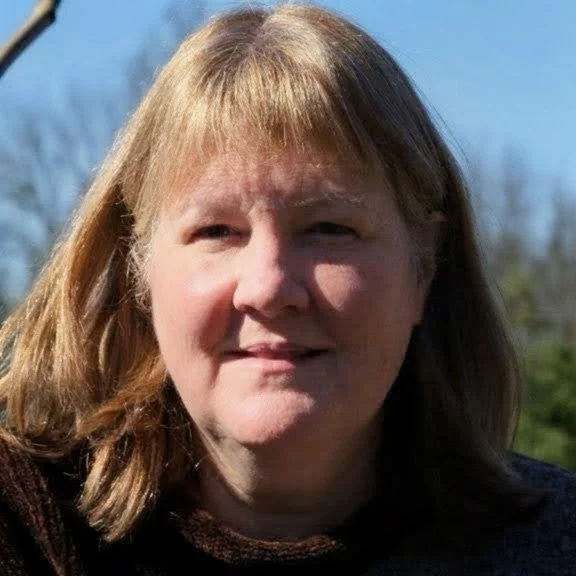
Becky Ianni
The Awake community launched its seventh season of Courageous Conversations with survivors examining some of the myths and misconceptions they have experienced around abuse in the Church. Drawing on their personal experiences, the panelists explored how common misconceptions about sexual abuse can deepen survivors’ trauma, discourage others from coming forward, and prevent meaningful institutional accountability. They also shared practical ways individuals and communities can help create a culture of compassion, transparency, and healing.
Panelists included Becky Ianni, Mark Joseph Williams, and Emily Baugh. Becky experienced abuse perpetrated by a newly ordained priest when she was a young girl in Virginia. Becky currently lives in the Washington, D.C. area and has been a longtime advocate for fellow victim-survivors, which has included working on a helpline for survivors for two decades. Mark Joseph Williams experienced abuse through his middle and high school years when he was harmed by the pastor of his family’s parish. Mark Joseph lives in Basking Ridge, NJ where he is a forensic psychological clinician with a master's degree in social work from Columbia University. He also serves on the North American Safeguarding Committee of the U.S. Conference of Catholic Bishops and is the author of the book Torrent of Grace: A Catholic Survivor's Healing Journey After Clergy Abuse. Emily Baugh was harmed by a campus chaplain while she was in college. Emily is in her first year working as a nurse in Birmingham, Alabama and is a participant in Awake’s Survivor Circles.
Awake’s Survivor Support and Engagement Coordinator Rebecca Dodge moderated the conversation. A recording of the event is available below.
Myths and Misconceptions
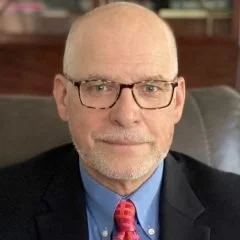
Mark Joseph Williams
The conversation began with the panelists challenging stereotypes about who commits abuse, who experiences it, and what healing from abuse looks like. Becky described the priest who abused her as well-liked. “He gave great homilies. People trusted him.” Becky conveyed an experience she had as an adult as she was on her way to an event for survivors where she would be telling her story publicly. Becky was driving with another advocate, “and as we were driving there, she said to me, ‘I knew Father Reinecke, your perpetrator, and he helped a friend of mine’s grandmother as she was dying so, he's not all bad’.” Becky went on to describe the impact of those words, saying that “this comment that someone made affected me deeply and actually silenced me.”
Emily said that it took her some time to see what happened to her as abuse in part because of the myth that abuse in the Church only happens to children or so-called “vulnerable” adults. Any adult can experience abuse, particularly in relationships involving significant differences in authority, power, or spiritual influence. An adult’s age or apparent understanding of a situation does not automatically make the relationship consensual. “It really, truly can happen to anyone,” Emily noted.
Mark Joseph reflected on how revelations of abuse in the Church in 2018—including the revelations involving Theodore McCarrick and the Pennsylvania Grand Jury Report—reawakened the pain of his own experiences. He had believed that the Church had made substantial progress, only to find himself confronting old wounds again. His experience reinforced an important point: healing is an ongoing process, and painful events or new revelations can bring difficult emotions back to the surface for survivors.
The Present Day
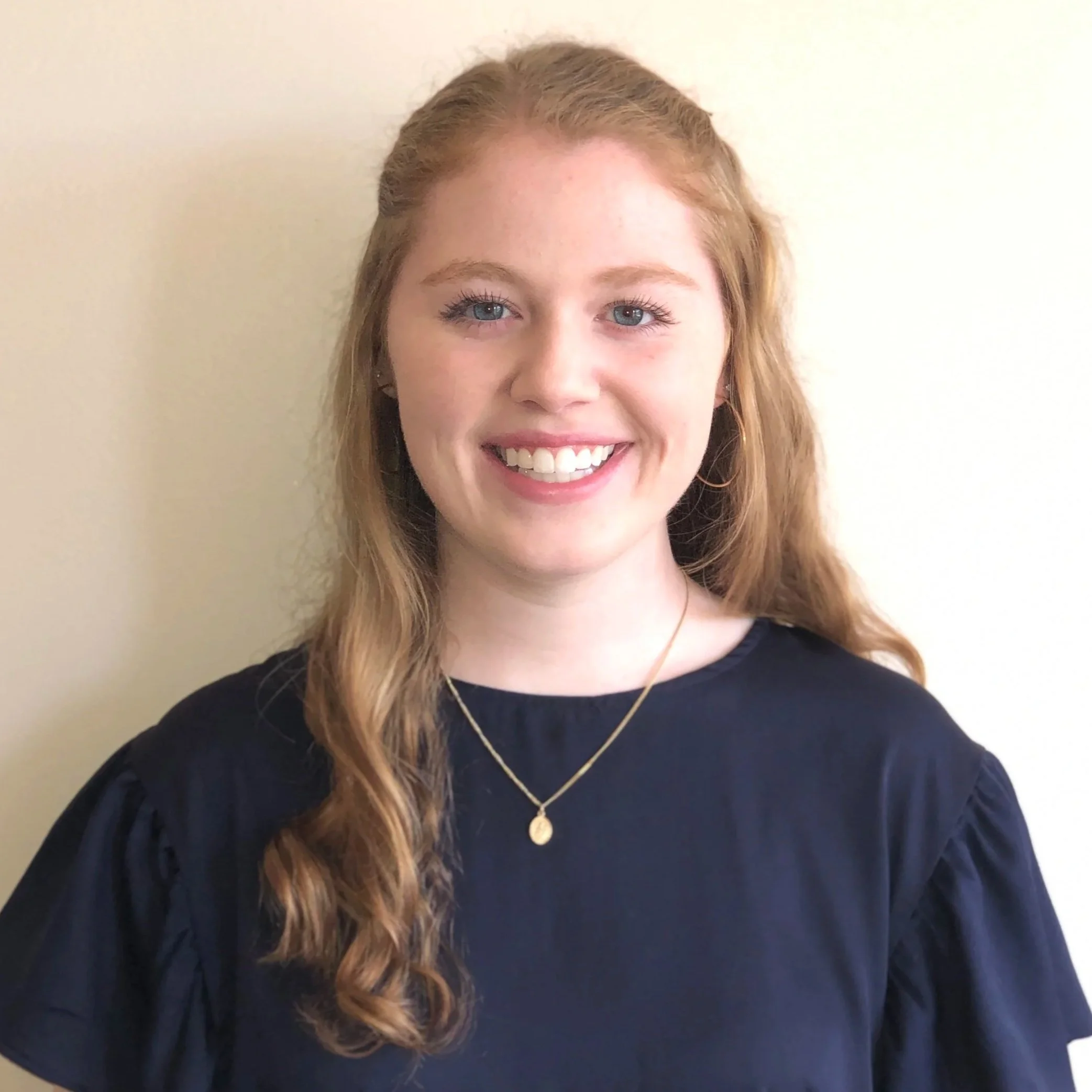
Emily Baugh
The panelists emphasized that, despite progress in safeguarding and prevention efforts, abuse in the Church remains a present-day concern. They expressed particular concern about how allegations are handled when survivors come forward. Emily described approaching Church authorities expecting her concerns to be taken seriously, only to feel blamed and unsupported while her abuser appeared to be protected.
“I really had full faith that, you know, once I brought it to [the Church], everything was going to be okay. And just day after day of going through that process, the more I realized, oh, it’s not being handled at all . . . I'm being seen as the problem whereas my abuser is being protected and, you know, he's being kind of swept under the rug. This situation’s being swept under the rug.” Her experience illustrates the gap that can exist between having reporting procedures in place and ensuring that those procedures lead to meaningful action.
Becky shared that she did not recover memories of her childhood abuse until she was 48. She described how shame, fear, and the authority her abuser held as a priest contributed to her silence. The panelists all described reasons survivors may delay disclosing abuse, including fear of not being believed; shame; fear of judgement, rejection, or retaliation; and concern about how disclosure will affect their relationships, faith, or sense of belonging. They also challenged the assumption that survivors who come forward years later are motivated by financial compensation. Becky explained that she wanted acknowledgment of what happened, an apology, support for therapy, and outreach to other potential survivors of her abuser. For her, ensuring that others knew they were not alone was especially important.
Emily shared how hearing other survivors’ stories helped her recognize that her experience was not an isolated incident and that she was not alone. Reports of abuse in the Church are often characterized as “one-off” behaviors from a perpetrator who had a lapse in judgement. Emily counters, “It’s a pattern of behavior that’s easily recognizable. It’s easily identifiable. And I think that’s a big issue with the way the church handles abuse and survivors today . . . it’s a way of allowing these abusers to continue their behaviors.”
Practical Takeaways
Following a Q&A with the audience, the panelists closed with practical steps that individuals, parishes, and communities can take to counter harmful myths and promote healing. Emily suggested that we be willing to hold people accountable. If you observe behavior that seems inappropriate or concerning, don’t automatically dismiss it because the person involved holds a position of authority. Speaking up can help prevent further harm and support those who may not yet recognize or feel able to disclose what they are experiencing.
Mark Joseph recommended creating visible, ongoing opportunities for acknowledgment and healing within faith communities. He described the value of healing services and noted a practice within his parish that involves including a prayer for victims and survivors in the Prayer of the Faithful at every weekend Mass, every week of the year. Regular acknowledgment helps ensure that survivors are not forgotten and that the issue remains part of the community’s shared responsibility.
Becky offered advice regarding responding to a disclosure of abuse with three simple messages: “I believe you,” “I’m so sorry this happened to you,” and “How can I support you?” She also encouraged people to leave supportive comments on news articles and social media posts about abuse, helping counter victim-blaming narratives and reminding survivors that others care.
Together, these recommendations demonstrate that meaningful change does not always require a major initiative. It can begin with how we respond to one person, what we are willing to say when we witness misconduct, and whether we make space for survivors in our communities.
— The Awake Team