
Start Here
If you’re new to Awake, we recommend you read these top posts from the Awake Blog for an introduction to some of the key issues surrounding sexual abuse in the Catholic Church, as well as simple things we can all do to make a difference:
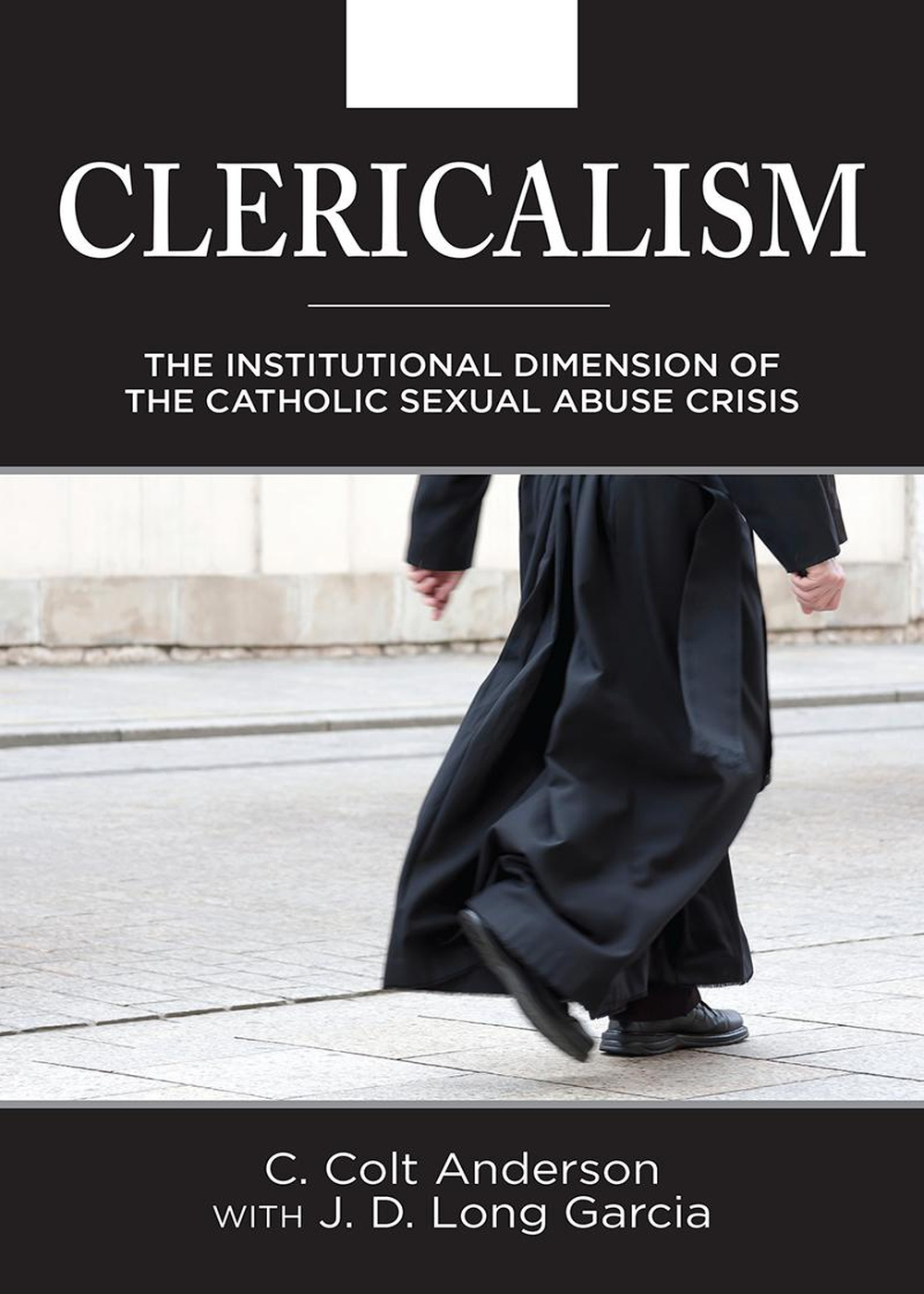
A new book explores clericalism as a system of rules and “unchecked authority” in the Catholic Church that makes sexual abuse more likely to take place and to be concealed. We speak with author C. Colt Anderson about his deep dive into the problem of clericalism.

To consider how the Catholic Church might address abuse of adults, we spoke with Julie Hanlon Rubio, professor of Christian ethics at the Jesuit School of Theology at Santa Clara University. “Sexual violence [is] an act of injustice,” she says. “It violates the dignity of a human person.”

To make churches safe for all, faith communities need a deep understanding of the concept of trauma.

Below I’ve compiled five things that I have learned since my wife and I began this journey several years ago, five things I wish every priest, seminarian, and tradition-loving Catholic like myself knew as well.

Last week Awake hosted a thought-provoking Courageous Conversation about the ways racism impacts the problem of sexual abuse in the Catholic Church.
The panel discussion, “Erased from the Narrative: The Role of Racism in the Abuse Crisis,” featured Fr. Bryan Massingale, a professor of ethics at Fordham University in New York and a priest of the Archdiocese of Milwaukee; Maka Black Elk, executive director for Truth and Healing at Red Cloud Indian School in South Dakota; and Jeremy Cruz, a professor of theology and religious studies at St. John’s University in New York. The recording of the conversation is available here.
This week we revisit this terrific advice from Deborah Rodriguez, MD, who spells out how to respond if someone discloses their abuse to you. It’s helpful for anyone who wants to respond to victim-survivors with healing compassion.

As the daughter of a clergy abuse victim-survivor and a lay person who works for the Church, I speak often with fellow Catholics about my family’s experience with the abuse crisis.

On the Awake blog we’ve written multiple posts about grooming, the tactics abusers may use to prepare their victims for abuse.

“Push through the discomfort, and let go of the idea that you can do this perfectly. It may help to admit to your kids that you feel a little uncomfortable, but then keep going.”

When survivors of sexual abuse share their stories, they sometimes describe forgetting or repressing memories of their abuse for years, even decades, before the memories resurface, usually in the form of painful flashbacks. In an effort to understand…

Discussions of sexual abuse sometimes mention “grooming,” the tactics used by abusers to prepare their victims for abuse. It’s important to recognize grooming behaviors as potential early signs of abuse.
When survivors of sexual abuse share their stories, they sometimes describe forgetting or repressing memories of their abuse for years, even decades, before the memories resurface, usually in the form of painful flashbacks.