
We Concluded a Powerful Season of Courageous Conversations. Which Topics Meant the Most to You?
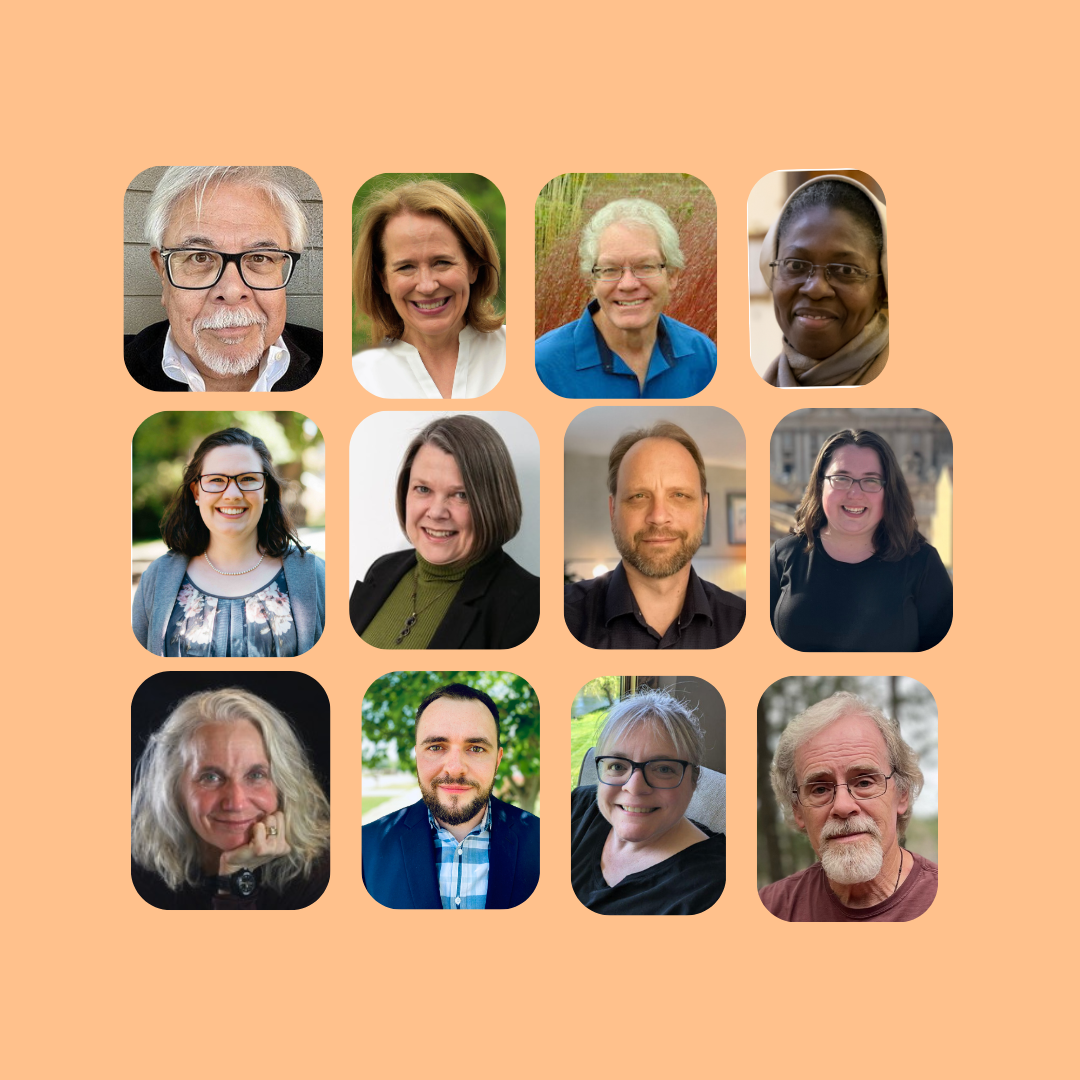
We welcomed more than 12 speakers this season.
Earlier this month we reached the end of the fifth season of Courageous Conversations, our much-loved virtual speaker series. If you’ve attended Courageous Conversations in the past, you know that each event has two parts. Part one features our guest speakers, who share important ideas about the twin crises of abuse and institutional betrayal in the Catholic Church. Part two, held a week later, gives people in the Awake community the opportunity to gather in small groups to talk about what we learned from the panelists.
Our aim with this ongoing series is to build our community’s understanding of the wounds left by abusive faith leaders and to learn from people who have experienced harm in the Church. We also consider the ways each of us can take action in our own corner of the world. The Courageous Conversation team, which is composed mainly of volunteers, worked hard to bring you this array of voices.
Here’s a review of the five Courageous Conversations we hosted this year, along with a link to the recording of each event. Check out any that you may have missed, and consider leaving your thoughts below. Which of these events did you find the most informative or moving?
This summer the Courageous Conversations team will be brainstorming and planning our next season of events, which will open on Thursday, September 18 at noon Central. Mark your calendar and watch our website for more details.
5. Too Often Forgotten: Harm in the Deaf Catholic Community
We’ll go backward, beginning this rundown with our final Courageous Conversation of the 2024-2025 season, a powerful and surprising event that explored why Deaf Catholics face a higher risk of sexual abuse than other people, and the barriers Deaf people face in reporting that abuse. We learned from Laureen Lynch-Ryan, the coordinator of Deaf Ministry in the Archdiocese of Washington and Maryann Barth, a Deaf professional educator and board member of the Deaf Catholic Youth Initiative for the Americas. Lynch-Ryan and Barth talked about the disturbing case of Fr. Lawrence Murphy, who led the St. John’s School for the Deaf in Milwaukee. They also described what hearing Catholics can do to help make the Church safe for Deaf Catholics.
4. Silent Suffering: The Invisible Abuse of Women Religious in the Catholic Church
This valuable event focused on the abuse of religious sisters, an issue that is only beginning to receive attention in the wider Church. Our panelists were Anne Barrett Doyle, co-director of BishopAccountability.org; Sr. Mary Lembo, a religious sister and instructor at the Pontifical Gregorian University in Rome who teaches courses on safeguarding and prevention and has conducted research on the abuse of religious women by priests in African countries; and Elizabeth Schick, a PhD candidate in theology at Marquette University who studies the vulnerabilities to abuse in religious communities. The conversation explored why religious life may leave some women vulnerable to manipulation, and Barrett Doyle shared details from the high-profile case of Marko Rupnik, a Jesuit priest and artist accused of abusing religious women.
3. Abuse and Systems of Power: Finding Opportunities for Healing and Redemption
Our January event offered an important exploration of systems of power and their role in abuse in the Catholic Church. Awake volunteers Natalie Pucillo and Tim Ehlinger joined in a conversation with Christine Way Skinner, a theologian who worked for three decades in parish ministry, and clinical psychologist Phil Monroe, who spent many years in private practice with Diane Langberg, author of When the Church Harms God’s People. They discussed the interplay between power and abuse and identified opportunities where we can take action to positively influence systemic changes that promote healing, justice, and redemption for individuals, communities, and the Church.
2. Cultivating a Gospel Response to Trauma
In November 2024, we considered why Catholics are called to create faith communities sensitive to the needs of people with traumatic wounds, including those who have been abused in the Church. Our guests included Paul Fahey, a veteran of Catholic parish ministry and a mental health counselor, and the late Pete Singer of GRACE (Godly Response to Abuse in the Christian Environment), who sadly passed away a few months after the event. Singer and Fahey described in detail what a trauma-aware Church might look like. “Being a more trauma-aware Catholic, a more trauma-aware Christian, is not extraneous to our mission as Church,” Fahey explained, “but is an integral and central part of what it means to be Christian.”
Listening to Survivors: What Went Well—and Didn't—When I Shared My Story
It’s our tradition at Awake to launch each season of Courageous Conversations with an event that centers the voices of survivors. Our first event of the 2024-2025 season featured Wendy Mitch, Vince Pérez, and Gina Barthel, survivors who shared their positive and negative experiences of disclosing their abuse to family, friends, colleagues, and church leaders. They also offered valuable advice on the best ways to listen to and support those who have experienced abuse.
Recordings from the previous seasons of Courageous Conversations are found on Awake’s website.