Courageous Conversation: Listening to Survivors: What Has Helped My Healing Journey
Awake opened its sixth season of Courageous Conversations with a moving conversation among survivors who shared personal reflections about their healing journeys. The panelists shared how they’ve come to understand their journey towards wholeness—what supported them, what hindered them, how they experienced the Church along the way, and what they recommend for those seeking to walk alongside survivors.
Panelists included Leona Huggins, whose abuse began at age 12; the priest who harmed her served a 10-month sentence and was later reassigned to ministry. Leona now supports survivors through her work at a law firm and was the sole Canadian survivor invited to advise the planning committee for Pope Francis’ summit on the protection of minors in the Church. Michael Vanderburgh, abused at age 11 by a family friend who was also a priest, has served on his archdiocese’s Child Protection Review Board and is now Executive Director of the St. Vincent DePaul Society in Dayton. Maria Silvers, a former nurse, a devoted mother and grandmother, and a committed member of an Awake survivor circle, was first abused by her choir director in fourth grade and again in eighth grade by a newly transferred parish pastor.
Awake Executive Director Sara Larson moderated the conversation. A recording of the event is available below.
Framing the Journey

Maria Silvers
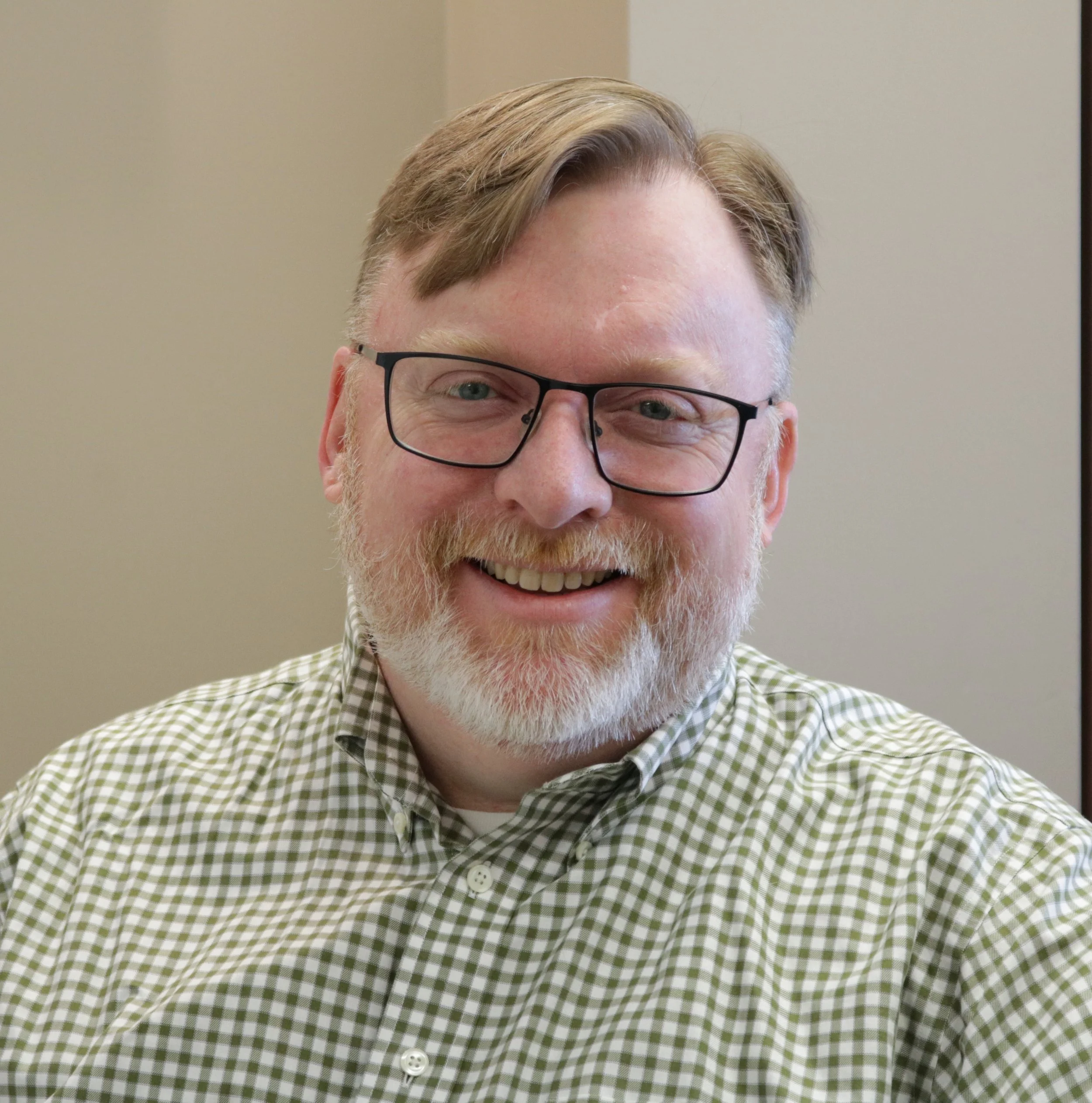
Michael Vanderburgh
The conversation began with an invitation for panelists to reflect on their understanding of the journey to wholeness. A shared theme emerged: healing does not mean erasing or ignoring past abuse.
Leona likened the journey to managing a lingering knee injury—one that occasionally flares up but doesn’t disappear. A brace isn’t essential, yet it helps her adapt. “I'm not erasing what happened to me,” she said. “I'm learning to live fully and integrate it into my life.” Maria described the journey towards wholeness as the slow, non-linear process of reassembling “shattered pieces of our souls and our hearts,” emphasizing the importance of allowing others to support and participate in that journey.
Help for the Journey
The panelists shared their experience of what has helped them on their journeys. Learning grounding techniques helped Leona allow difficult emotions to surface while staying calm and regulated. Maria and Michael both emphasized the key role others played in their journey. For Maria, a compassionate therapist helped her reclaim being made in God’s image, while a priest restored her trust through steady, nonjudgmental presence. Though her parish community fell short of the support she hoped for, Maria found deep healing in the Awake community, sharing, “There’s something so profoundly healing in just being known and seen without having to explain it.” For Michael, meaning emerged through his ministry with people experiencing homelessness, many of whom carry similar wounds. He described a powerful image that guides him: “Mary and John at the foot of the cross. There wasn’t anything they could do to change anything. But they were there. They loved, and they learned to love through being there.”
Lessons from Obstacles
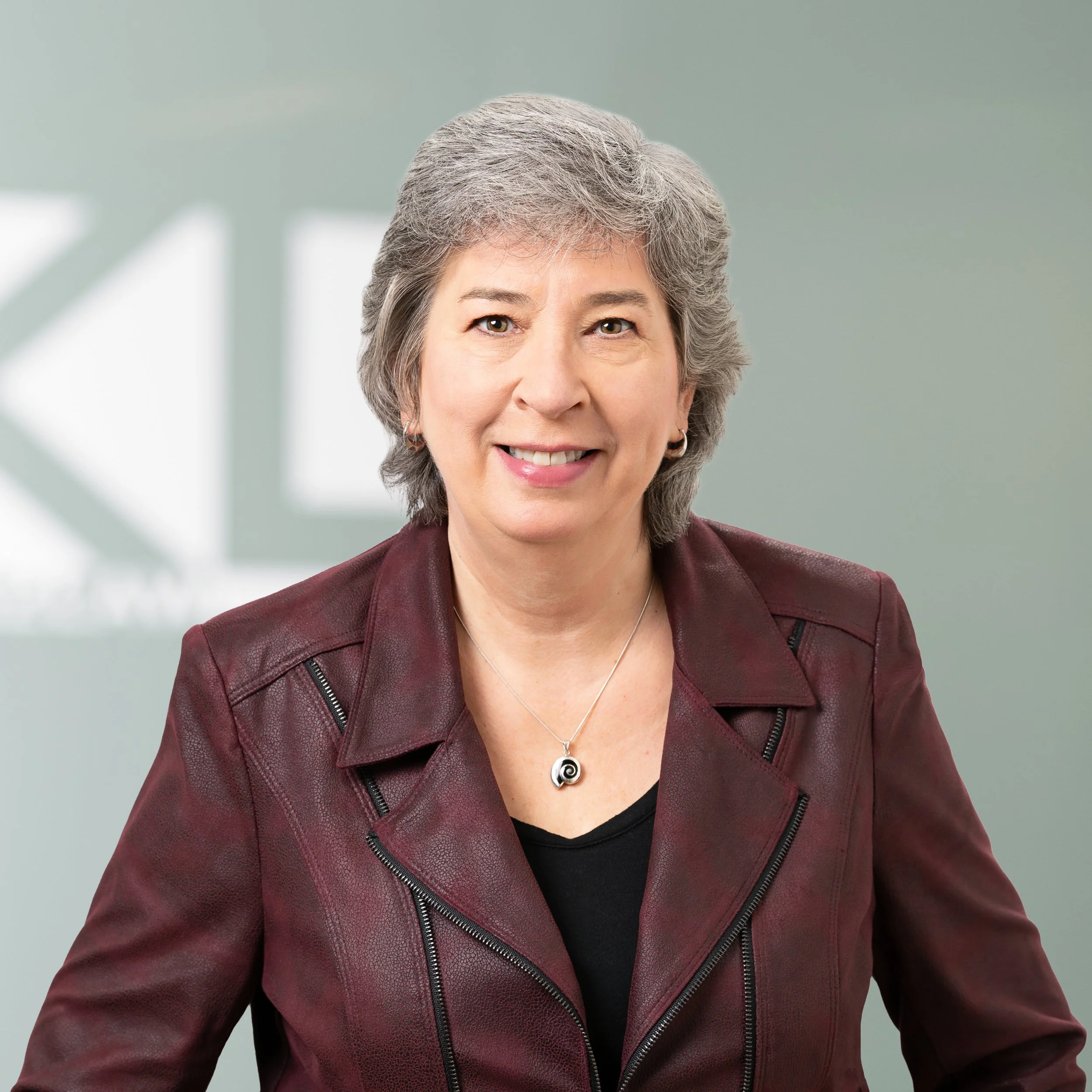
Leona Huggins
Further reflection from the panelists also revealed what didn’t help. Sharing her story indiscriminately left Leona feeling exposed, while silence left her carrying too much alone. She emphasized the need for developing the ability to discern: “What’s helped me most is building discernment and sharing in safe spaces with people who can hold my story and work with me to make the world safer.” Maria commented that pretending her trauma had no power only deepened her inner struggle: “I was shattered on the inside and performing on the outside.” She added that “trying to do it alone and persevering by my own wits and will did not work for me.” Staying in a “woe is me” mindset, Michael noted, wasn’t helpful. Instead, finding meaning in suffering brought healing. When he embraced his identity as a survivor, he was able to transform the harm he experienced into “an asset that helped me learn to love better, understand our world better, and understand God better.”
Church: Help or Hindrance?
Both Leona and Maria shared that their experiences with the Church were not positive. Leona, while grieving the loss of something that once meant so much to her, said, “It’s not an organization or a place that I can safely go back to without really reharming myself.” Maria echoed this, noting her difficult interactions with Church leadership. Yet, she found freedom in distinguishing faith from the institutional Church, a shift she credited to reading the writings of Henri de Lubac, a Jesuit and a theologian of the Second Vatican Council. “I felt like a weight was lifted off my shoulders,” she said. “It gave me permission to seek to deepen my faith.”
Negative experiences after sharing his story publicly were part of the reason Michael sought to work within the Church. “I wanted to claim the Church as mine,” he said, and he identified his work with the Church as a “mission of being on the inside to have some sort of say and influence.” He saw it as a way to witness to the harm a culture of secrecy can cause and to foster change from within.
Next Steps on the Journey
The panel made several insightful and practical recommendations for those who want to promote healing for anyone harmed by abuse in the Church. Leona recommended direct, practical support: “Ask a survivor how you can best support them and then take that action. It can be as simple as driving someone to therapy or saying, ‘Can we go for a walk?’” Michael and Maria both highlighted the power of connection. Michael shared, “Being present to one another is the simplest, most important thing that any of us can be doing. Lives are not problems to be solved. They are meant to be lived.” For him, joy comes from focusing on God, being known, and showing up for each other. Maria echoed this with a gentle call to “be someone’s person.” She reflected, “It’s healing to look up and look out. It’s a nice change of pace from looking in, which I live in my head much of the time.” And when personal capacity is limited, she pointed to communities like Awake: “There are people right there, willing and ready. We can refer survivors to those kinds of resources.”
—Catherine Burke-Redys, Guest Writer