
New Audio Documentary Explores Spiritual Abuse of Adults
A powerful new audio documentary, launching this week, dives deeply into the topic of spiritual and sexual abuse of adults in the Catholic Church.
Called “Descent Into Light,” this eight-part documentary was created by Sr. Theresa Aletheia Noble and Sr. Danielle Victoria Lussier, the Sisters of the Little Way of Beauty, Truth and Goodness.
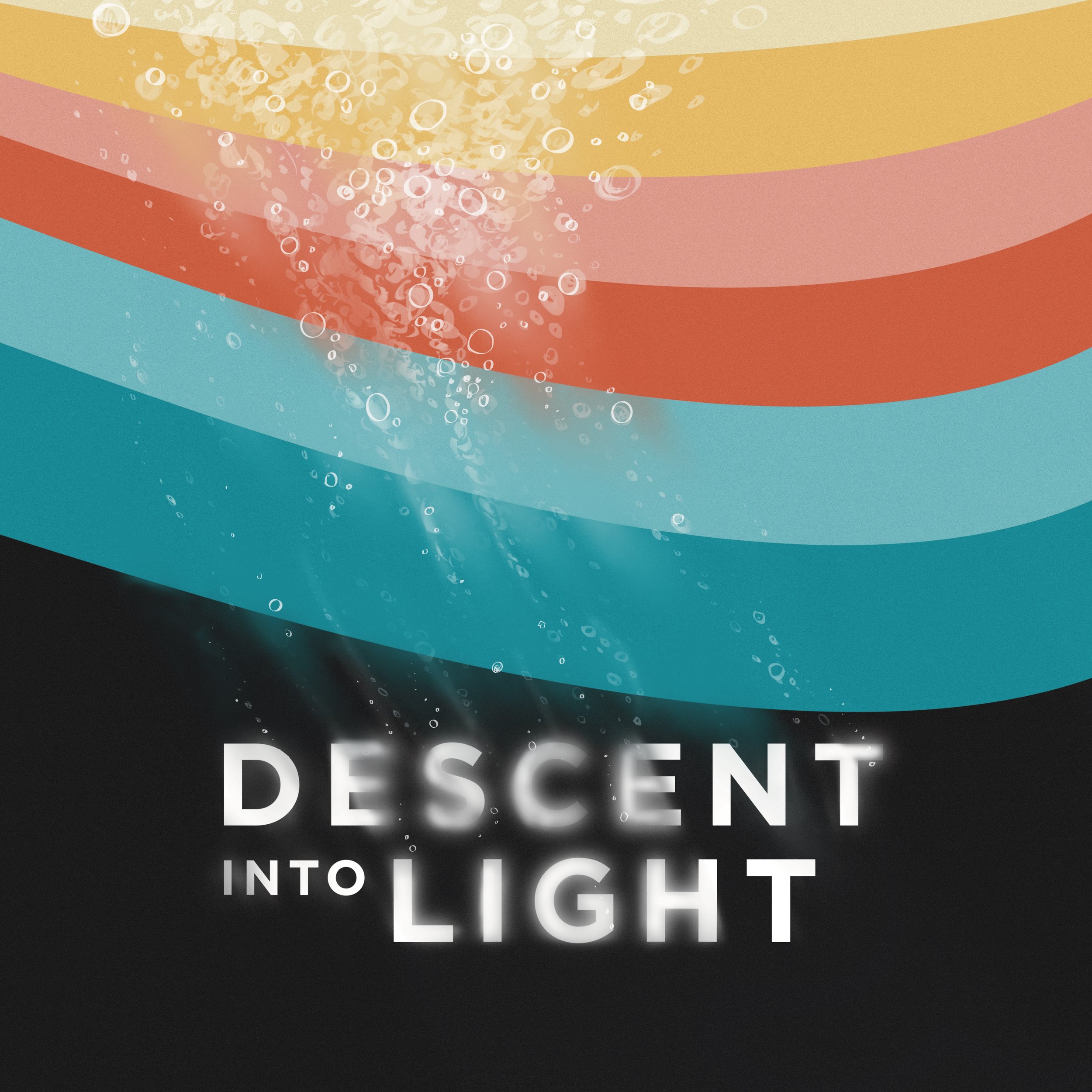
In it, the sisters explore their own experience of spiritual harm as adults and interview a host of experts in theology, philosophy, psychology, and safeguarding, including Fr. Hans Zollner, SJ, Lucy Huh, and Awake Executive Director Sara Larson. The first episode is available October 1.
The sisters recently completed a diploma in safeguarding from the Pontifical Gregorian University in Rome, an experience that they say gave them a “sobering” global perspective on abuse in the Church. But what they learned also left them hopeful. “We believe that just as harmful patterns can spread systemically, positive change can also take root in the Church,” they said. “But it requires people who take the risks necessary to confront these issues openly and with transparency.”
We invited the sisters to tell us a little about themselves and their new documentary. They share why audio felt like the best format for this project and how they cope when the topic of harm in the Church grows too heavy.
—Erin O’Donnell, Blog writer
Awake: Sr. Theresa Aletheia and Sr. Danielle Victoria, to start us off, how and why did you become the Sisters of the Little Way?
Sr. Theresa Aletheia and Sr. Danielle Victoria: We had each spent over a decade in religious life when we experienced a call to a new mission: one of listening and solidarity with those on the fringes of the Church, especially people who have been wounded, abused, or scandalized by members of the Church. “Descent Into Light” tells the story of our beginnings in greater detail but suffice it to say that founding a new religious community was never part of our plan. Yet when the Lord placed this mission on our hearts, we could only respond, “Amen.” We are far from alone. God is raising up dedicated people and organizations around the world—like Awake—to confront the reality of abuse in the Church and to work toward healing and renewal.
Q. What motivated you to create this audio documentary?
A. We believe the next crucial step in addressing abuse in the Church is to confront the reality of adult abuse—particularly in the U.S. and other regions where significant safeguards have already helped reduce the incidence of child abuse.That conviction is what led us to spend the past two years creating an audio documentary focused on adult abuse in spiritual settings. While we share our own experiences in the audio documentary, the goal was not to break our silence. We had already spoken publicly about our experiences in 2024. Rather, our purpose is to use our stories to shed light on how abuse occurs in spiritual settings, why it so often goes unnoticed or unaddressed, and how we can begin to build Church communities that are safer, more honest, more human, and ultimately, more hopeful.
Q. Yes, hope is essential. What would you say that Catholics fail to understand about spiritual abuse in the Church?
A. Many Catholics tend to understand the problem of abuse in the Church through the lens of sexual abuse of children. This is, of course, one of the gravest forms of abuse. But if we want to address the roots of abuse, we must begin to address all forms of abuse. Adults, too, experience abuse in the Church, including sexual, emotional, psychological, and spiritual abuse. And this abuse is not limited to certain adults; any adult can find themselves in a vulnerable situation. Awareness around adult abuse is still in its early stages, which means there is both a pressing need and a real opportunity to address it more directly. In our work, we listen to survivors’ stories, and a significant number of the people who reach out to us share experiences of abuse as adults. Unfortunately, they also share that their abuse often goes unrecognized or unaddressed, which is why it’s crucial to address this issue now.
Q. It sounds like accompanying survivors has given you an urgency to act. What will listeners hear in the audio documentary?
A. “Descent Into Light” weaves together our personal stories with the wisdom of leading experts to help listeners better understand adult abuse in spiritual settings. We chose to focus on our own experiences of grooming by a former spiritual director for two main reasons. First, we believe our stories are the only ones we have the right to tell at this time. By sharing them, we hope to create a space where other survivors might one day trust us to help tell theirs. Second, our stories are more subtle and a central theme of the documentary is that preventing abuse requires all of us to become more attentive to warning signs—especially the ones that are easy to miss—and to speak up when something seems wrong.
Throughout the series, we interview experts in theology, philosophy, psychology, and safeguarding—including Fr. Hans Zollner, SJ, Dr. Julie Rubio, Fr. Boniface Hicks, Lucy Huh, and Sara Larson, among many others. Their insights provide essential context for understanding adult abuse in the Church and offer concrete steps toward building safer, more accountable communities for both leaders and laity.
Q. Why did you choose an audio documentary as your format here?
A. We chose audio for our first project because we believe it allows us to approach these sensitive topics with the care and nuance they deserve. Audio invites a slower, more contemplative engagement than visual formats. Also, our friend and board member Bo Bonner shared with us a paper he wrote on the “resonance of faith” that argues that modern faith often centers on sight or what can be seen, possessed, or displayed.This risks reducing faith to something exterior to us, something we “have” rather than something we live. By contrast, when faith is understood as resonance, it becomes immersive and relational, so less about propositions and more about participation. All that might sound abstract, but for us, this has implications for how we choose to share the faith.
The Word entered our human experience in a way that drew us in rather than overwhelmed us. Because so much of our mission unfolds online, we feel called to use digital media thoughtfully, in a way that proposes rather than imposes, invites rather than coerces, and embodies meekness rather than triumphalism. Audio, with its capacity for intimacy and depth, felt like the right medium to begin this work.
Q. Where can listeners find new episodes of the documentary?
A. We are going to release the eight episodes of “Descent Into Light” weekly on our website, sistersofthelittleway.com first. So if you are a free or paid subscriber, you will get an email for each episode that we send out. But the podcast will also then be available on all the major streaming platforms.
Q. Thanks so much for sharing these details with us. As we close, can you tell us what is next for the Sisters of the Little Way?
A. We believe our mission meets a real and urgent need in the Church and we pray it will continue long after we are gone. To sustain and grow this work, we are focusing on two main areas: our mission and our growth.
Our mission centers on listening to stories of survivors of abuse in church settings and raising awareness about the realities of abuse in the Church. We want to do this work responsibly and in a way that is both trauma-informed and spiritually grounded so we plan to continue our own studies and formation. Right now, for example, we’re taking a Mental Health and Church Life course offered through the University of Notre Dame’s McGrath Institute for Church Life.
Looking ahead, we hope to welcome new members to our community beginning in the fall of 2027. Preparing for that step will require significantly more resources and support, so finding people who believe in this mission and want to help us grow is one of our key priorities.
We’ll be honest: sometimes the weight of this work feels overwhelming. But when we reach our limits, we have a nacho night and go to bed saying the same words Pope John XXIII once prayed: “It’s your Church, Lord. I’m going to bed.”