
Courageous Conversation: Understanding the Trauma of Institutional Betrayal
During last week’s Courageous Conversation, Awake welcomed three panelists to discuss a devastating harm known as institutional betrayal, experienced by an alarming number of victim-survivors who report their abuse to church leaders. A recording of the event is available below.
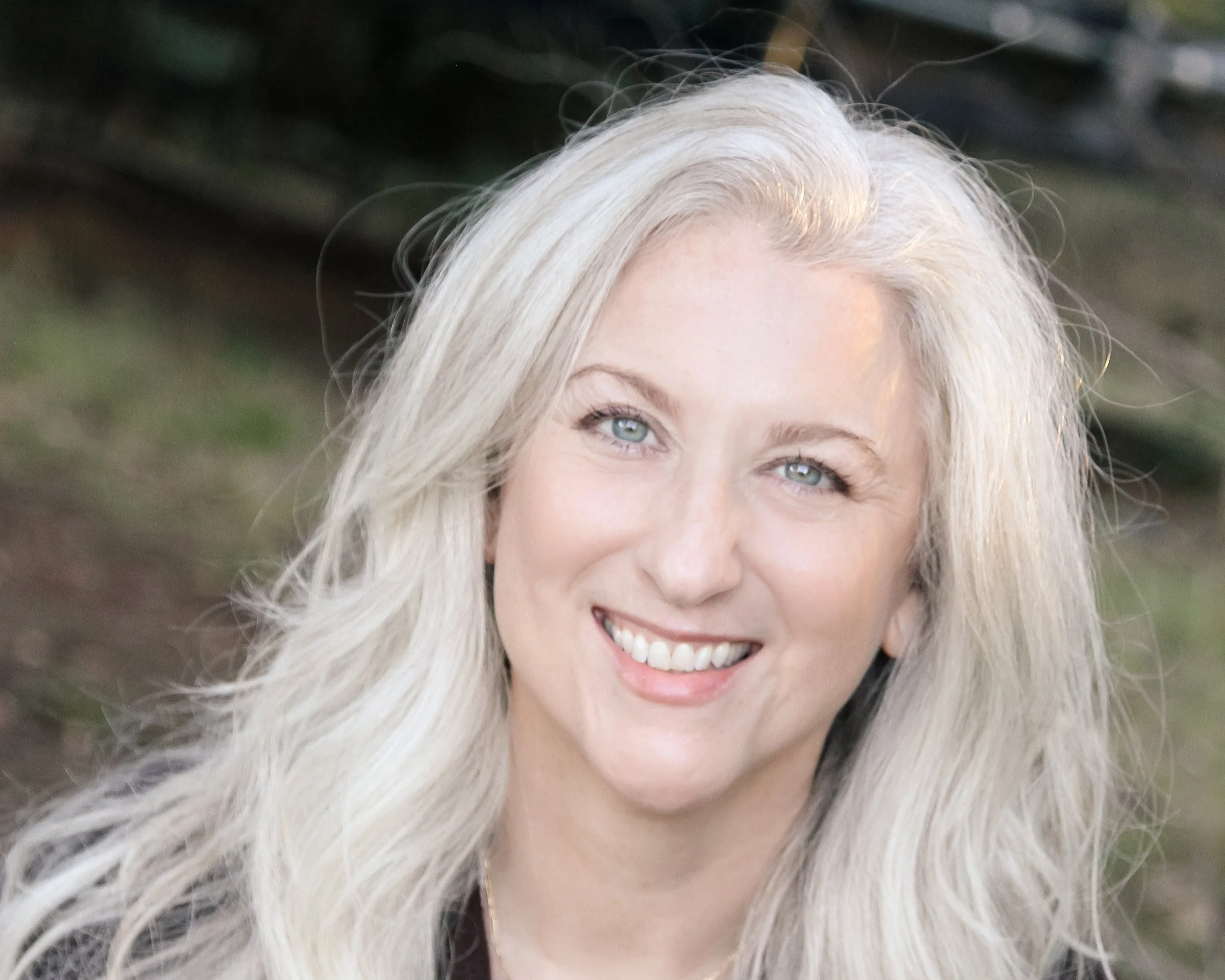
Elisabeth Ingram
Institutional betrayal is the harm suffered “when an institution that we depend on, that we are a member of, that we trust, causes harm to us,” explained panelist Elisabeth Ingram, a trauma researcher and PhD student in counseling psychology at Oklahoma State University. “Institutional betrayal can look like allowing harms to happen, not creating a safe environment, and … not responding well when harm does happen.” Such institutions make it difficult for survivors to report harm and may even attack a person who reports that they’ve been hurt within the institution.
Ingram’s own research reveals that institutional betrayal compounds the pain suffered by people sexually abused in the Church. She recently studied 115 survivors from across the United States who experienced church abuse as children or adults, surveying them about their experiences of institutional betrayal or institutional victim blaming. She also asked respondents about their mental health symptoms. Her analysis found that 100% of the respondents had experienced some form of institutional betrayal. Additionally, “we also found that the more forms of institutional betrayal and victim-blaming people had experienced, the more symptoms of post-traumatic stress they had,” she said.
Survivors Describe Experiences of Institutional Betrayal
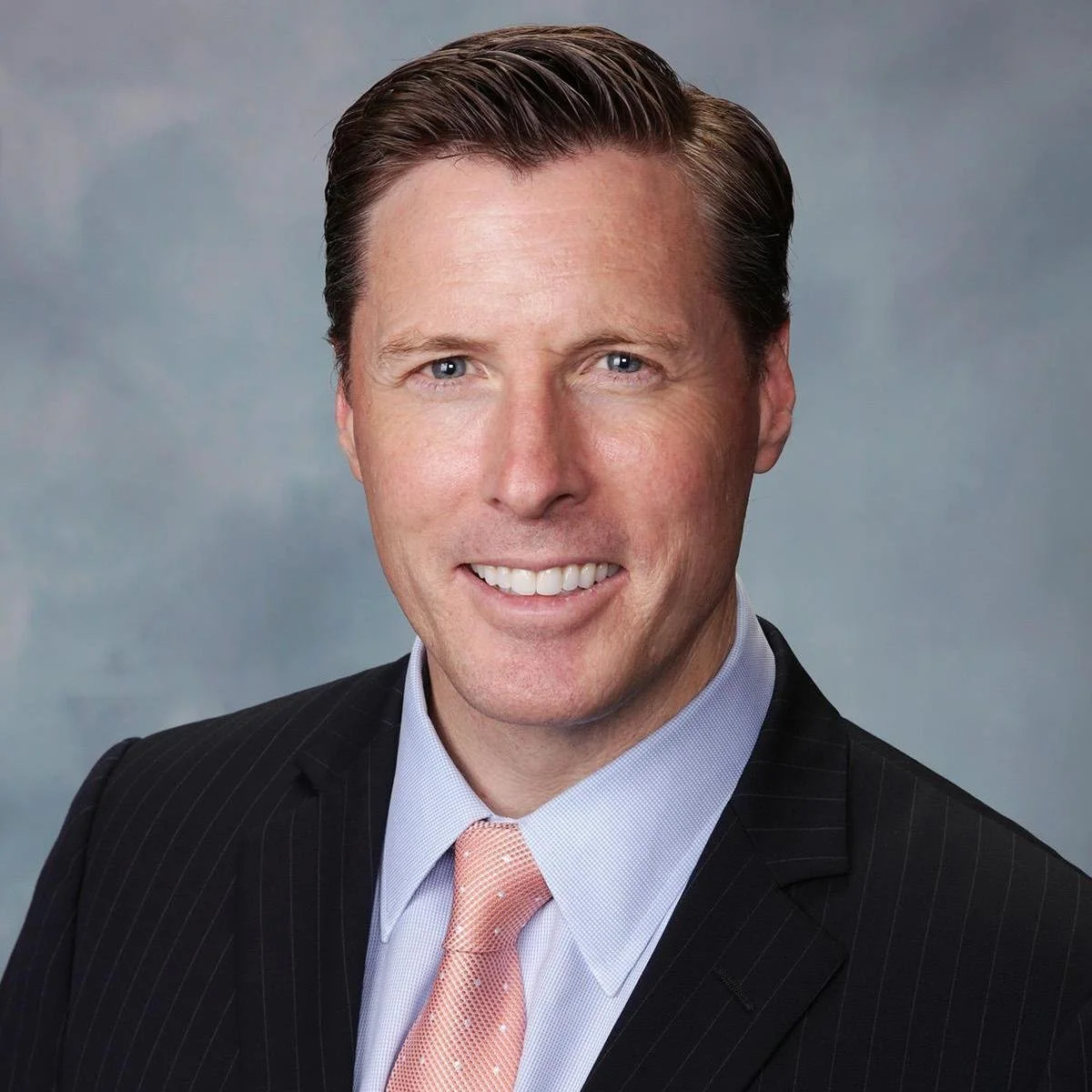
Bill Hambleton
The panel included two survivors of sexual abuse in the Church who shared moving real-life stories of institutional betrayal. Panelist Bill Hambleton is currently chair of the religious studies and theology department at a Catholic high school in Los Angeles. He described that as a teenager in a Catholic family in Utah he began to wonder if he had a vocation to the priesthood. At the time, he was befriended by a priest who offered to help him in his discernment. That priest began to molest Hambleton when he was 16. After high school, Hambleton went away to college seminary in Ohio and heard from friends that the abusive priest had been expelled from the diocese for reasons related to sexual abuse. “I had never told anybody about [my abuse], so obviously this was regarding other people,” Hambleton explained. “I was so relieved.”
A few months later, however, the abusive priest called Hambleton. He explained that he was working in Detroit as a hospital chaplain, a few hours from Hambleton’s seminary, and he wanted to visit. Hambleton said he began to panic. He felt unable to tell the priest not to come, but didn’t know what to do. So he called his vocation director in Utah, the same diocesan official who sent that priest away from Salt Lake City.
Hambleton told the vocation director that the expelled priest wanted to visit him. He asked the director what he should do, hoping the adult would help him. “His response was, ‘Enjoy your time with him,’” Hambleton explained.
The abuser did visit Hambleton and molested him during the visit. The vocation director’s failure to protect 18-year-old Hambleton haunted him for decades.
“It caused me to question myself instead of my abuser,” he explained. “It produced years and years of self-doubt. And even worse than the self-doubt were the trust issues.”
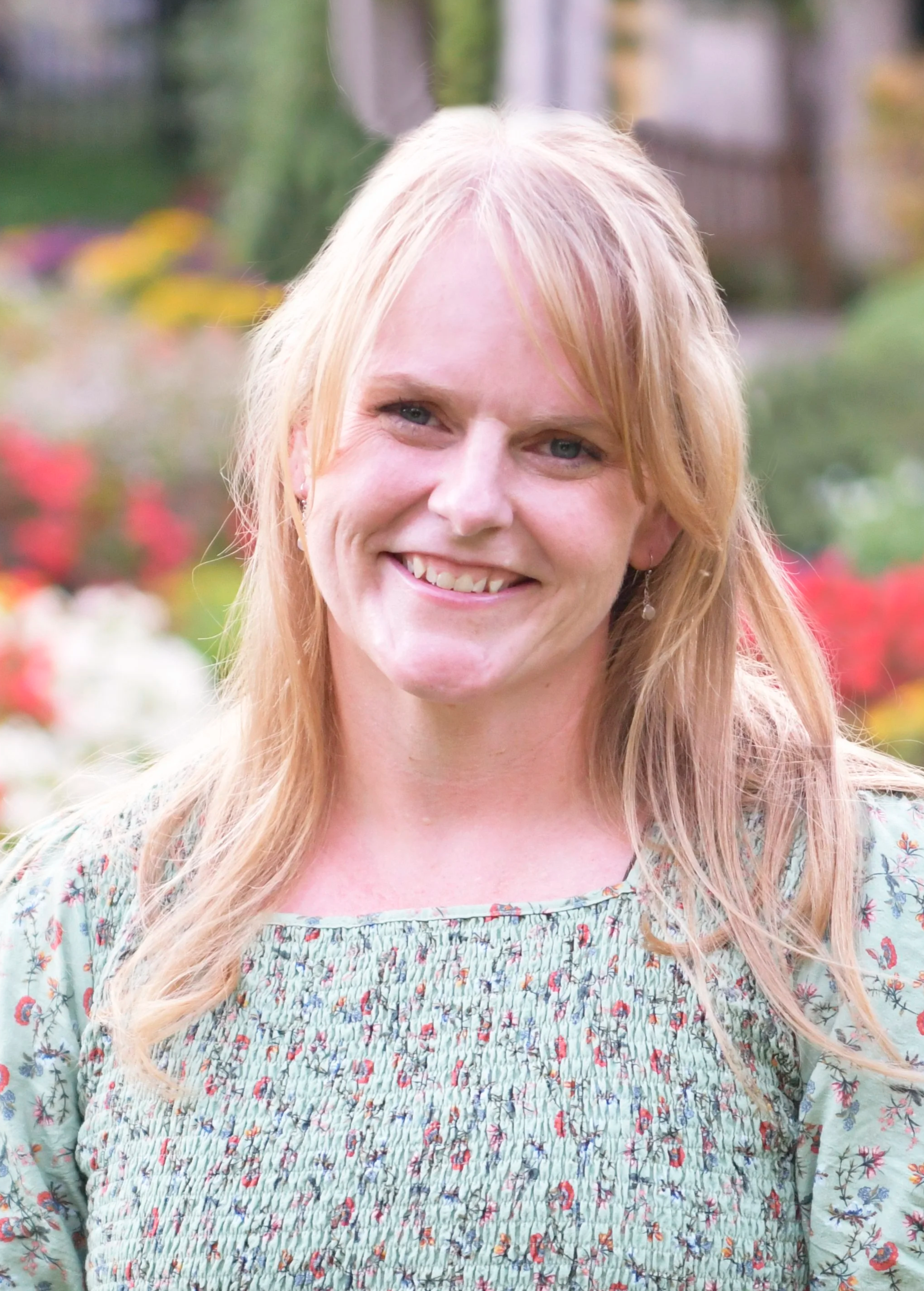
Esther Harber
After four years in college seminary and four more years studying theology in Rome, Hambleton ultimately decided against becoming a priest. “I could never reconcile my trust issues with the diocese,” he said.
Thursday’s panel also included Esther Harber, a survivor of sexual assault by a priest in her 20s, who has accompanied many sexual abuse survivors as Awake’s former survivor care coordinator. She received permission to share a story of institutional betrayal from a woman who was sexually abused by a priest who was her employer.
“After a great deal of anguish, she took the very courageous and hard step to report this abuse to her archdiocese,” Harber recounted. But diocesan leaders reacted with aggressive doubt. “They actually hired a private investigator to follow her, to try and discredit her,” Harber said. “They sent people to harass her coworkers and try and coerce false allegations against her. They bullied her family.”’ These traumatic events harmed the woman’s relationships and her faith, Harber explained.
What is DARVO?
When abusive institutions are called to account for wrongdoing, some defend themselves with a set of manipulative tactics known as DARVO. Initially identified by psychologist Jennifer Freyd, the same researcher who conceptualized the problem of institutional betrayal, DARVO is an acronym that stands for “Deny, Attack, and Reverse Victim and Offender.”
Here’s how DARVO works: When a survivor speaks up to say that they were harmed, “the perpetrator denies the harm, attacks the credibility of the victim, and then they reverse the victim and offender roles,” Ingram said. “Suddenly, [the institution] is the victim of false accusations. The problem is that until we were able to put words to this, it worked.” DARVO is often successful in damaging the victim’s credibility, causing them to doubt themselves, and creating confusion.
Ingram said that Harber’s story of the diocese that hired a private investigator to dig into the victim-survivor’s life is a clear example of the institution attacking the victim. Church leaders may also point to a victim’s mental health struggles as a sign that they are not credible and should not be believed, even through “the mental health issue is a piece of evidence that [the abuse ] happened,” Ingram says. The more people understand DARVO, the better, Ingram says. “Knowing about DARVO reduces its impact on victims,” she said.
How Do We Prevent Institutional Betrayal and Find Healing?
In addition to promoting an understanding of the concepts of Institutional Betrayal and DARVO, researcher Jennifer Freyd founded a Center for Institutional Courage, which is devoted to helping institutions seek truth and engage in moral action as alternatives to institutional betrayal. Freyd describes institutional courage as a “pledge to protect and care for those who depend on the institution.”
During Thursday’s conversation, Ingram shared multiple ways to promote courage within institutions. One of them includes avoiding a “risk management mentality,” she explained. “Don't let the lawyers and the insurance companies tell you how to respond or how to do your moral duty. We're not going to change these hidden patterns of sexualized violence by not admitting what's happening.”
Harber and Hambleton both spoke about relationships as a source of healing from the trauma perpetrated by the institutional church. Harber highlighted the gifts found in Awake’s Survivor Circles.
“There is something so profoundly beautiful when you're sitting across the circle from someone, and all of a sudden you realize, ‘Oh, I'm not alone in that.’ You have that moment of recognition and that moment of community,” she said.
Hambleton shared that the birth of his daughter was an important motivation in his healing journey. “It was when she was born that I started doing therapy around this,” he said. “I think just wanting to be somebody worthy of her trust, I found my way back to trusting others.”
How to Support Survivors—and More
As the event drew to a close, Awake invited each panelist to offer one more piece of advice to audience members to prevent the problem of institutional betrayal in the Catholic Church.
As a survivor who has had difficult interactions with three different dioceses, Hambleton asked victim assistance coordinators to do what they can to truly advocate for the victim-survivors they meet. Harber invited audience members to offer support to victim-survivors who have suffered institutional betrayal in the Church through Awake’s Encourager Ministry, which gives people the chance to send supportive messages to survivors.
And finally, Ingram encouraged survivors to consider taking part in research opportunities that feel healthy for them. She also suggested that they track research about institutional betrayal and other topics related to church abuse at clergysexualmisconduct.com. “That's a place to access these concepts,” she said, “and knowledge is power.”
—Erin O’Donnell