
Rooted and Rising: Dr. Sheila McMahon Introduces Grounded Responses to Conflict
On August 26, Awake opened our second season of Rooted and Rising with a presentation by Sheila M. McMahon, PhD, M.Div., MSW, LCSW exploring communication, conflict, and boundaries. Dr. McMahon is an associate professor and director of the Doctor of Social Work program for the University of Alabama School of Social Work. Drawing from her work in trauma-informed care, restorative justice, and dialogue, McMahon offered participants practical tools for communicating through difficult moments while honoring safety, boundaries, and human dignity. She reminded participants, “We can be kind, and we can still set boundaries with people in our lives.”
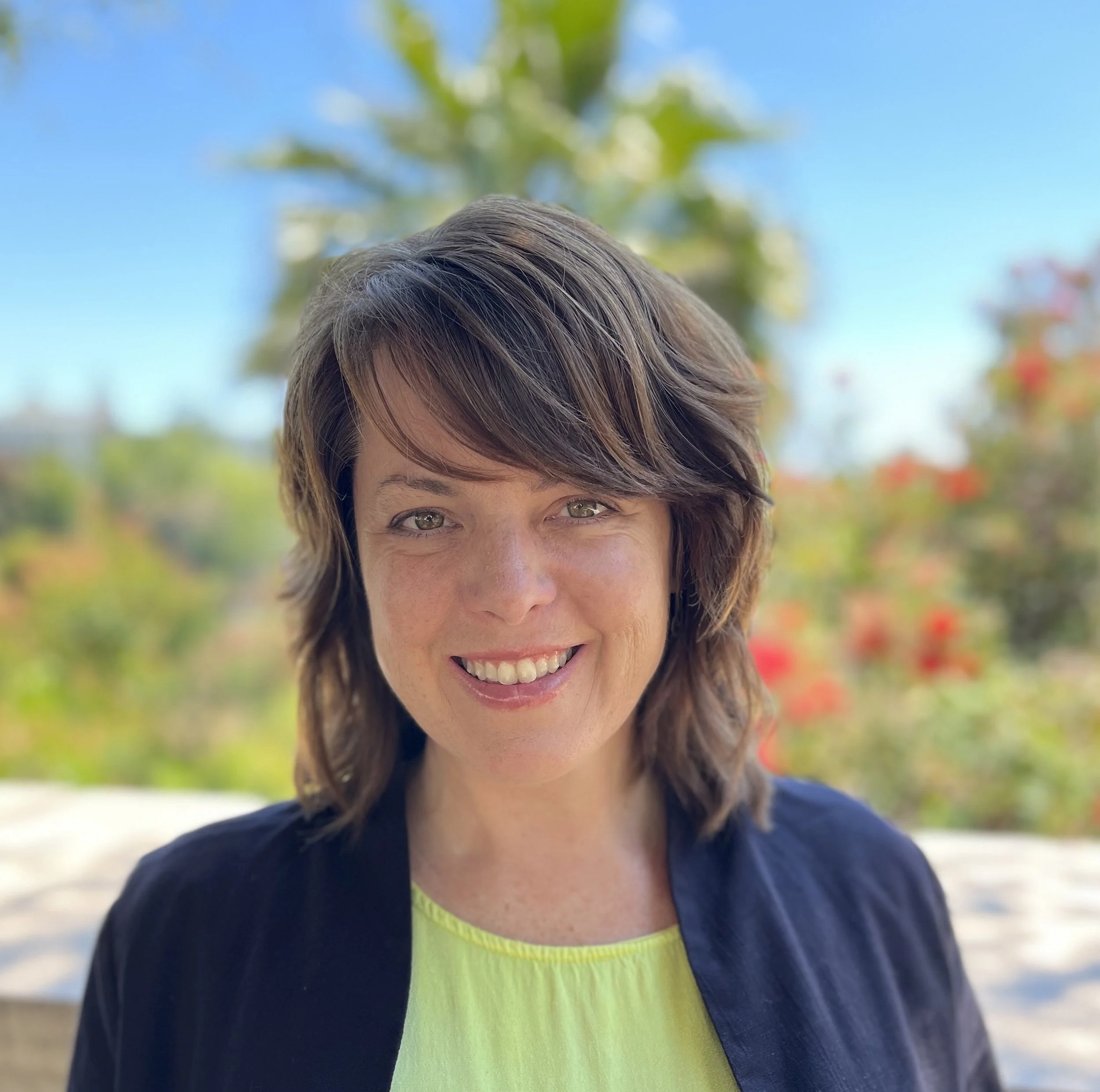
Sheila M. McMahon, PhD, M.Div., MSW, LCSW
After reviewing key terms, McMahon began by inviting participants into a moment of “self-connection,” encouraging them to pause and become aware of their own internal experience and the environment around them. The presentation explored Nonviolent Communication (NVC), developed by Dr. Marshall Rosenberg, which McMahon described as a “life-affirming” form of communication. She also introduced concepts from trauma-informed care and Dialectical Behavior Therapy (DBT).
McMahon then introduced NVC’s OFNR framework: Observations, Feelings, Needs, and Requests, as a practical tool for navigating difficult conversations. This framework encourages individuals to identify what they observe, recognize their feelings, and to understand the needs beneath the feelings, in order to have clear communication first within ourselves and then with other people. McMahon also shared a list of common human needs that can serve as a grounding and self-reflection tool. She recognized that this approach becomes more natural for people once they become comfortable with it.
McMahon demonstrated how this approach allows participants to look beneath conflict to the human needs that may be present or unmet. She explored how by developing greater awareness of our own feelings and needs, we can communicate more clearly while making greater space to understand the experiences of others.
McMahon also emphasized that effective communication does not mean abandoning boundaries or sharing more than a person is comfortable sharing. As she reminded participants, “No is a complete sentence.” Setting a boundary does not require us to justify or over-explain our decision, and healthy communication includes respecting both our own boundaries and those of others. In difficult conversations, especially when there are differences in power, safety and self-awareness are essential:
“We want to be able to share our experience and emotions in a way that feels safe for us, and also allows the other person to understand enough about our experience that they can be responsive, without feeling like we have to violate our own boundaries or share more than we really feel comfortable sharing in order to get our needs met.”
For people who have experienced harm in the Church and those who support them, these tools can offer practical ways to approach difficult conversations while honoring boundaries, safety, and dignity. McMahon reminded participants that these approaches are invitations to explore rather than prescriptions. She encouraged each person to consider what tools may be useful in his or her own circumstances. She invited participants to try different approaches and reflect on what resonated most with them.
The evening offered a meaningful opportunity to reflect on how communication can contribute to greater safety, understanding, and connection. Awake is grateful to Dr. McMahon for sharing her expertise and thoughtful perspective, and to everyone who joined us for this evening of learning and reflection.
— Christa Strain