
Denise Buchanan
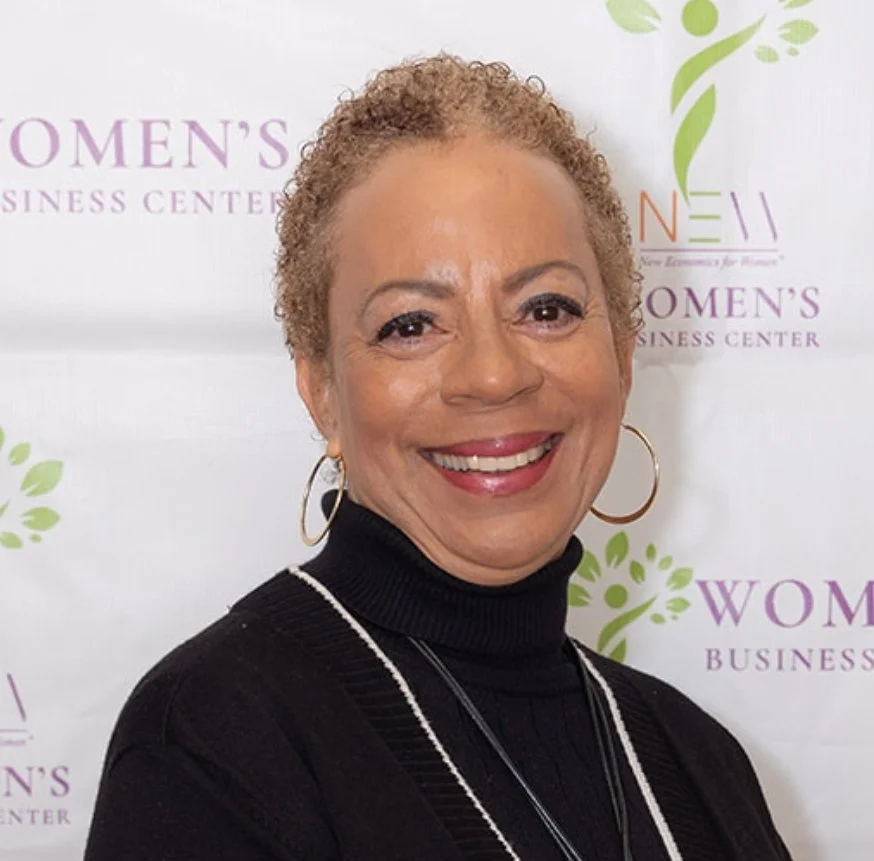
“Silence destroys the body of Christ. Protecting survivors and demanding accountability does not attack faith; it is an act of fidelity to it. The Church heals not by hiding its wounds but by cleansing them with the truth.”
Awake: Denise, thank you for being willing to share your story with the Awake community. What would you like others to know about you?
Denise Buchanan: I'm in my sixties and my whole life has been about renewal and restoration. By profession, I am a landscape designer. Transforming outdoor spaces into sanctuaries of peace, beauty, and healing by creating sacred gardens keeps me grounded. I began my company Sacred Garden Designs 25 years ago in Los Angeles, California. For me, it's a ministry of renewal, helping others connect with nature and themselves.
I’ve explored the mind-body-spirit connection in other ways, also. I became a psychoneurologist to understand and heal the disconnect I felt within myself and others. Psychoneurology aligns the body, mind, and spirit to restore balance. I'm also an African dancer and Zumba instructor. Dance reverses the numbness and mind-body disconnection your body uses to protect you from pain. When I dance, I use rhythm, breath, and movement to bring awareness back into my body. I feel my heartbeat, my muscles, my energy. Dance raises my vibration so I am more present in my body. The vibration of the music and rhythms lift my mood, helps release stored emotions, raises my feelings of aliveness, and reminds me that I am safe in this moment.
There’s a lot that I do, and I find joy wherever I go as I do whatever I can in one of those areas.
Q: Your energy and joy are truly inspiring. When you reflect on your journey, what would you like others to know about the abuse you experienced?
A: The grooming started when I was around 16 when I was growing up in Jamaica. My abuser was a priest who was my sister’s classmate at the theological school. My parents welcomed him into our home and had him over for dinner. Over time, the abuse happened hidden behind the priest's authority and the sanctity the Church represented. He'd say things like, “Oh, it's just between us, it's our secret,” and “God is our witness, so it's all good. It's love." In my gut I knew something was off, but I trusted his authority.
When I came forward with my story 20 years later, I confronted my abuser and the Archbishop of Kingston. They responded with denial and disbelief. To protect the institution, my name was dragged through the country’s daily newspaper and my face appeared on the front page. The response was as if to say how dare I come forward and disgrace this beloved institution?
When I reflect on the abuse I suffered at the hands of a priest and the denial by the Catholic Church, I realize now that it takes a profound level of courage, fortitude, and inner strength to confront such an institution. It takes courage even to speak the truth about your abuse, because you’re standing up against one of the most powerful institutions on the planet. But the truth is the truth, and it must be spoken — even if you have to stand alone. Subsequent to this meeting with the priest and the Archbishop, the lawyers that were gathering evidence for my case, dropped my case. I was told in secret that the lawyers' business would suffer if they continued to represent me. The Church is very powerful, especially in countries like Jamaica that were colonized and religion was the controlling mechanism to keep people compliant.
My experience didn't define my ending. It defined my calling. Even today, I'm the only one from Jamaica who has come forward. Others have told me that they dare not come forward because of what they saw me go through. I have solace in knowing it wasn’t just me; sexual abuse by clergy is a systemic problem.
Q: I’m so sorry coming forward with your story brought more abuse. What has been most helpful to your own healing?
A: For me, healing came from transforming trauma into purpose. Becoming a global survivor advocate took me from silence into active conversation about justice and empowerment, where I help shape global safeguarding policy and reclaim my voice and others’. Trauma silences the victim. It is one of the hardest parts. You think you’re the only one, and you keep this secret because of the shame, not wanting to embarrass your family. You hold it as your personal cross to bear. But Jesus didn’t come here so that we could carry these kinds of crosses. He came to liberate people. Speaking out, and empowering others to do the same, liberates me. When I help others find their voice, I find more of my own way. The more I say what I need to say, I meet people, and we join together to take action.
I also found healing through nature and design. Gardens became sanctuaries of recovery for me, both literally and symbolically. The weeds represented the things I needed to weed out of my consciousness so new seeds could grow. I would ask myself, “What are the ideas that now I need to plant to reap a new harvest, for a new life I need to lead?” The soil became my therapist, and every plant taught me a lesson in resilience. God met me in the garden.
Q: You have transformed silence into not only speech and action, but also into leadership. What actions to end abuse are you most proud of?
A: After I realized that the abuse that had happened to me had been happening all over the world, I wrote a book entitled Sins of the Fathers and joined with some people to form a global justice project called Ending Clergy Abuse, or ECA. I was one of the chief architects to network survivors across 5 continents in 25 countries. We campaigned in Rome and held huge demonstrations of activism everywhere the Pope went for seven years. We followed him and protested.
Because ECA is committed to systemic reform within the Church, we met with members of the Dicastery for Legislative Texts, the Vatican office responsible for interpreting canon law and recommending legal reforms, to present our proposed Zero-Tolerance Policy. This dicastery, led by senior Cardinals and canon lawyers, advises the Pope and ensures that Church laws align with justice and accountability. During our one-on-one meeting with leading members of the Dicastery, we presented ECA’s comprehensive policy outlining clear, enforceable consequences for abuse and cover-up. Although they responded favorably — saying, “Oh yes, that’s a good idea” — unfortunately, no further action has yet been taken. I realized change won’t come from them or from the Pope. Change will come from the people. My story is just one of many. If I speak up and say what I need to say, other voices can come forward and join mine, join ours.
I also formed Faith Has Feet, a youth movement focusing on activating the youth population within congregations, cities, and townships. As I realized pushing against the Catholic Church was not giving me the satisfaction I needed, I became aware that the youth I found in the congregations wanted change and to make a difference. Africa has the largest youth population on the planet. Also, a lot of misbehaving priests get sent to Africa and wreak havoc on the African people. Faith Has Feet, in collaboration with a non-profit in Nigeria, mobilizes youth within Nigeria. We just started in December 2024, and already 20,000 youth are empowered to rise above adversity, start building meaningful careers, uplift their communities, and become the changemakers their country needs.
Q: How has your journey of healing and social action affected your spirituality? How do you see your relationship with God now?
A: When the sexual abuse by the priest ended up in a pregnancy, the Church sent me to get an abortion to eliminate the child. As a result, I could not have children; the anger I carried consumed me and led to chronic depression. In one of these low moments I realized this pain must be transformed into something, and I saw that I was to be the mother of the world's children. It's me who must really lead this new conversation about what motherhood is. Motherhood is about caring for others. My motherhood focused on creating inclusive conversations that move people beyond isolated family experiences and connect us to mutual support.
Presence and being present grounds my spirituality, not doctrine. I often speak of God as the living, breathing, energetic part of myself that heals, restores, and guides me. My spirituality and relationship with God is deeply experiential, purpose-driven, and integrative. It's woven through everything I do – my healing, my leadership, and my creative work. For me, faith isn't about the Church. My faith is rooted in relationship, not religion. The abuse never touched that part of me. It's a part of me that was never endangered, that was always safe.
Q: Your journey made you wise, Denise. What's a lesson you've learned along the way that might resonate with other survivors?
A: There are a few. One is that your voice matters. Every person's voice matters. Say what you need to say. There are certain people only I can reach. There are certain people only you can reach. It empowered me to realize that if I didn't speak out, so many other people I know would not have spoken out. My voice mattered.
Another lesson I’ve learned is that abuse isn't the end of the story; it's the beginning of a new path forward. Abuse is a seed that was planted. But, you have the power to weed out that seed and plant something else in its place. Do the work to create a healing space for yourself, because you deserve to be healed and live a full life.
I would also say find what moves you, what makes your life light up, what makes you excited to greet the day. Nature will help you answer your questions. Nature is rich, non-judgmental, pure, and full of answers.
Q: As we bring our conversation to a close, is there anything we haven’t touched on that you’d like to share?
A. If I would add just one thing, it would be about betrayal.
Sexual abuse is often seen as the sin or crime of an individual—a priest, a family member, someone you know, or even a stranger. But at its core, it is rooted in systemic betrayal. It is not simply about bad people; it is about broken systems—systems that protect power instead of people, that prize silence over truth, and loyalty to institutions over love and justice.
True reform requires truth, transparency, and accountability at every level of the Church.
Only when we confront these systemic failures and dismantle the structures that enable secrecy and silence can the Church truly reflect the heart of Christ—a heart of compassion, justice, and love for the most vulnerable.
Many Catholics believe speaking out harms the Church, when in truth, silence destroys the body of Christ. Protecting survivors and demanding accountability does not attack faith; it is an act of fidelity to it. The Church heals not by hiding its wounds but by cleansing them with the truth. The Church needs to learn that truth, and people in the congregation need to embrace it. The more that people talk about the abuse crisis in the church and demand accountability, the closer we will get to a Church free from the systemic abuse of children.
—Interview by Katie Burke-Redys
Note from Awake: We extend heartfelt thanks to Denise Buchanan for sharing her story. We also want to acknowledge that every survivor’s path is different. We honor the journeys of all who have experienced sexual abuse by Catholic leaders and are committed to bringing you their stories. In addition to Denise’s story, we encourage you to read our previous Survivor Stories here.
If you have experienced sexual abuse, you can receive support through the National Sexual Abuse Hotline, 800-656-4673, which operates 24 hours a day. If you seek support from the Catholic Church, you can find the contact information for your diocesan victim assistance coordinator here. Also, Awake is always open to listening to and learning from survivors. If you would like to connect with us, we invite you to email Executive Director Sara Larson at saralarson@awakecommunity.org.