
Jill Monaco
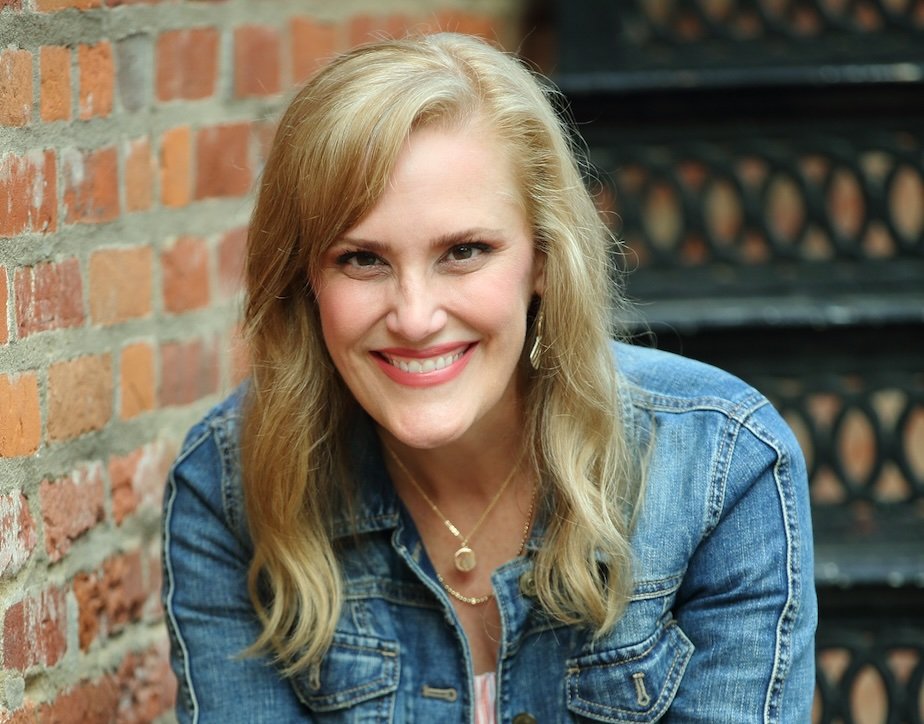
“Experience has taught me that you need to find a tribe of people or even just one person who can hold space for your story and pain.”
Awake: Thank you for sharing your story with us, Jill! Please start us off by telling us a little about yourself.
Jill Monaco: Before I went into full-time ministry, I was a professional singer/dancer/actress. I majored in musical theatre in college and had the honor of singing backups for crooner Perry Como and performing leading roles in Broadway national tours and regional theatre. I even got to record books for Disney Kids. I still do some voiceovers for commercials and adult fiction and nonfiction books from time to time.
I founded a nonprofit, Jill Monaco Ministries, in 2012 with a mission to encourage people to pursue the presence of God and find freedom in Christ. I'm also a speaker, author, podcaster, and trauma-informed, professional certified coach with the International Coaching Federation. I minister to people through Freedom Coaching®, a model that blends traditional coaching with prayer and inner healing. I had so many people asking how to coach with these tools that I created the Freedom Certification. Leaders in various ministries and denominations are helping others know the love of God and find healing from pain. I also wrote The Freedom Coach Model, a book that allows people to walk through the tools themselves. Much of my work is helping people find hope and healing after spiritual abuse and religious trauma.
Q: You’ve led an interesting life, Jill! And it’s powerful to hear about your commitment to help others. Could you share a little about your experience of clergy abuse?
A: I was raised Catholic, attended Catholic school, and was sexually abused for a whole summer by a priest in charge of the youth group at our parish in Illinois. I had just turned 13 after seventh grade and had never kissed anyone, let alone experienced the other things the priest did. He convinced me I'd be in trouble if anyone found out. The next school year, he escalated and came to my eighth-grade classroom and youth group and tried to see me more, but I resisted. I was so embarrassed, especially when the other kids asked me why I was yelling at him to leave me alone. Finally, at a youth group meeting, a parent stepped in and told him to leave.
I confronted him when I was in my 40s, and he said he remembered our “relationship" like a first love. He said he had used our story to help other priests. I was sick to my stomach and told him I was a child and he stole my innocence. In 2018, I learned I could go to the police and file a report. When the detectives later questioned him, he still saw what happened as a relationship, not the abuse of a minor.
I called the hotline set up by the Illinois Attorney General’s office to report abuse, and I worked with that team on the investigation that led to his defrocking. It took years, and that process was almost more painful than the original abuse. I wrote more about the abuse and reporting process on my own blog.
Q: Jill, I’m so sorry about the ways you were hurt, in both the abuse and the reporting process. When you look over these experiences, what has challenged you most in your journey as a survivor?
A: There have been a few things that made this journey difficult as a survivor. First, I had to heal from the shame I felt about the abuse. As a child, I felt like I somehow caused the priest to break his vows. That shame came into adulthood and I was afraid of men. It took years for me to understand the harmful power dynamics at play. He was an adult and a priest and I was a child in his parish, so it was his job to maintain appropriate boundaries. Eventually I learned that even when the victim is an adult, the power differential between a priest and parishioner makes true consent impossible. I also know now that my nervous system was in a freeze response, shutting down to keep me safe.
Second, it took time to realize how the abuse impacted my future decisions and behaviors. It destroyed my relationships, my trust of authorities, my self-esteem, and my relationship with God. I know it's hard for some people to do or even to understand, but I ultimately forgave my abuser. Just between me and God. Not because anyone demanded it of me, but because God showed me this was a choice I could make that would allow me to be more like Jesus. Forgiveness is like letting the weight go onto God's shoulders. It was a gift to me.
Forgiveness is a big topic and has been weaponized against survivors, who are sometimes told they must forgive and dismiss their anger. But I think it’s important to acknowledge that anger is understandable—it’s a signal that a boundary was crossed. Forgiveness doesn't require me to say what the abuser did was okay or that I have to reconcile with them. As I've learned about forgiveness, I've come to understand that we can extend it and still wrestle with the consequences we experience because of someone's actions.
Q: Jill, thank you for explaining these painful challenges. What has surprised you most in this journey as a survivor?
A: I'm most surprised at how God works all things for good, just like he promised in Romans 8:28. I now coach survivors and have trained leaders who work with victims of human trafficking, satanic ritual abuse, religious trauma from other denominations, and church leaders. I never would've chosen this field, but God opened this door and I want to be faithful to where he's called me. I'm still healing and growing, and yet, he uses me.
Q: This sounds truly rewarding. Can you tell us what has been the most helpful in your healing process?
A: The Freedom Coaching® model I use with my coaching clients has been healing for me personally. It developed out of my personal prayer time with God in the darkest season. I wanted to feel his love and hear his voice. I began to receive wisdom and see things from his perspective that brought so much healing to my heart, soul, and nervous system. He highlighted the lies I’d believed and told me the truth. He has helped me let my walls down and has shown me how beautiful life is without them.
As I began to heal, I started to tell others about my conversations with God. I felt safer sharing my story when I understood it as a way to tell people about the light of Christ and how he healed me. I think sharing our stories is powerful, but it’s even more powerful when it’s paired with highlighting his love.
Q: Thank you for describing the healing of your “heart, soul, and nervous system.” What have you learned that you think other victim-survivors might benefit from hearing?
A: Experience has taught me that you need to find a tribe of people or even just one person who can hold space for your story and pain. We need validation and empathy. But not everyone has the skills to offer that.
That's why I hosted something I called the Spiritual Abuse Summit. I invited experts to talk about things like gaslighting, spiritual bypassing, and spiritual abuse to help survivors understand that they’re not crazy or alone in these experiences. I also created a devotional called Spiritual Healing: Restoring Faith After Religious Trauma. My ministry offers a lot of free resources on this topic on my website as well.
Q: We’re grateful for all that you’ve shared with us, Jill. As we conclude, what would you say to someone who is struggling to share what happened to them?
A: First, I’d say, I’m so sorry that happened to you. Everyone who has experienced abuse has a different path to healing. You are right where you are supposed to be. Maybe coming across this website is God whispering, “I see you. I won’t ever leave you. You’re not alone.”
There are so many factors to consider when coming forward with your story. Not everyone is meant to write it on a blog or share with the general public. You may find some inner courage and decide to speak up, only to be overcome with fear and step back. That’s okay. You aren’t crazy. Your nervous system is trying to help you avoid danger and sometimes sharing secrets feels unsafe.
I recommend finding an expert who can help you determine what is best for you. I can tell you that processing your experience will help heal your pain. Not overnight, but one step at a time. Survivors tend to have the same patterns in life—thoughts, emotions, and behaviors. If you have struggled with addictions, job instability, broken relationships, phobias, anxiety, depression, distrust of authorities, this is not by accident. Those are common experiences among victims. But you don't have to struggle forever. God is there to help you. You are stronger than you think you are.
—Interview by Erin O’Donnell
A Note from Awake
We extend heartfelt thanks to Jill Monaco for sharing her story. We also want to acknowledge that every survivor’s path is different. We honor the journeys of all who have experienced sexual abuse by Catholic leaders, and we are committed to bringing you their stories. In addition to Jill’s story, we encourage you to read our previous Survivor Stories here.
If you have experienced sexual abuse, you can receive support through the National Sexual Abuse Hotline, 800-656-4673, which operates 24 hours a day. If you seek support from the Catholic Church, you can find the contact information for your diocesan victim assistance coordinator here. Also, Awake is always open to listening to and learning from survivors. If you would like to connect with us, we invite you to email Survivor Support and Engagement Coordinator Rebecca Dodge at rebeccadodge@awakecommunity.org.