
What is Clericalism? And How Does It Contribute to Abuse in the Church?
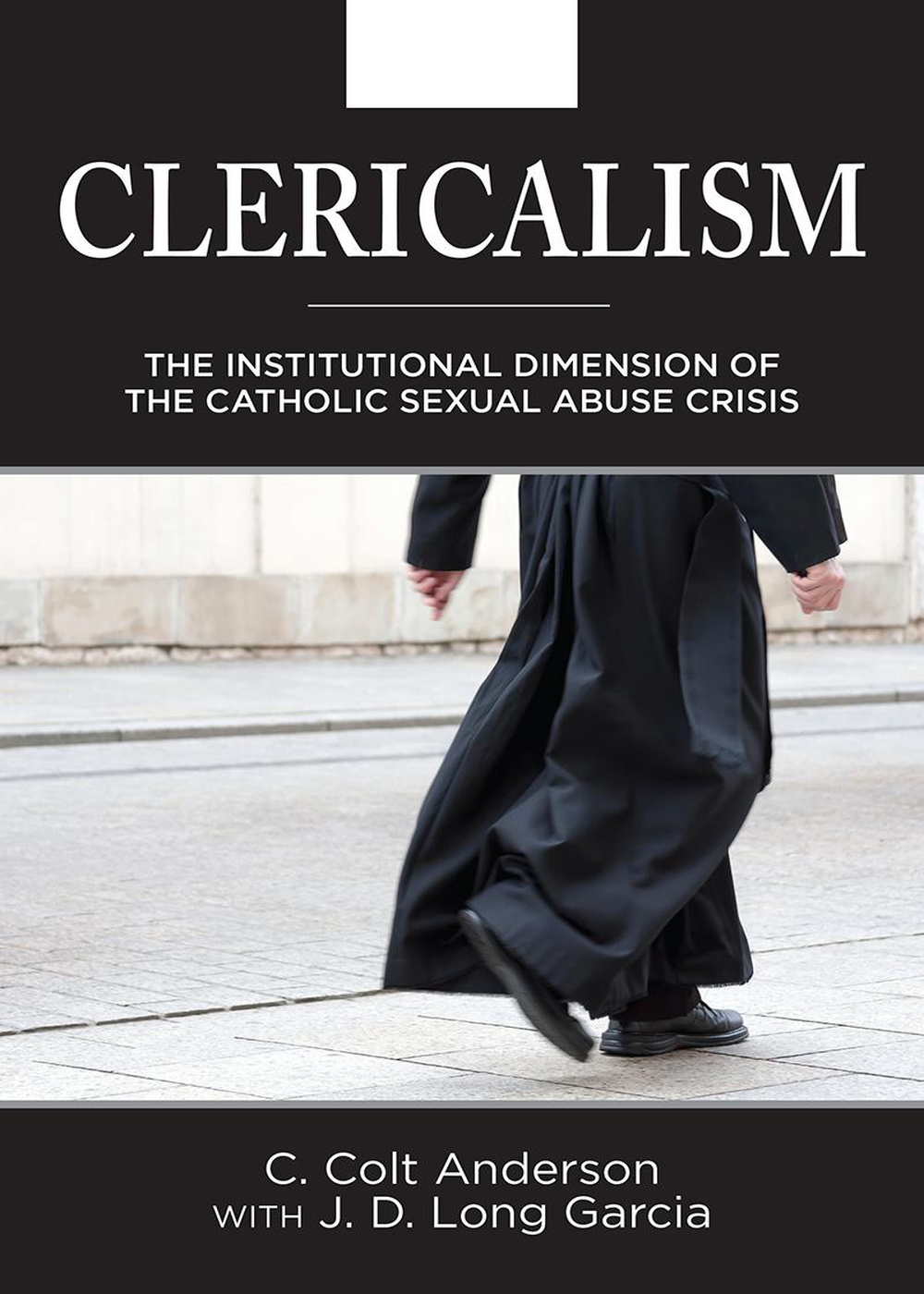
A new book published this month describes clericalism as a system of rules and “unchecked authority” in the Catholic Church that makes sexual abuse by priests and other Church leaders more likely to take place and to be concealed.
Clericalism also prevents the changes needed to prevent future abuse and heal the Church, says church historian C. Colt Anderson, director of the Doctor of Ministry program at Fordham University in New York. His book, Clericalism: The Institutional Dimension of the Catholic Sexual Abuse Crisis, coauthored with journalist J.D. Long-Garcia, draws on Church history as well as disciplines outside the Church to understand the impacts of clerical culture.
In a nutshell, clericalism is “the idealization of the priest,” Anderson says.
The History of Clericalism
Anderson traces this idealized view of clergy back Pope Gregory VII, elected in 1073 AD.
“The argument proposed by Pope Gregory VII was that clergy are superior to laity because of the holiness of their work,” Anderson explains. Gregory didn’t suggest that every member of the clergy was holy, but that “because of the holiness of their work,” priests and deacons could not be judged by laypeople and had the authority to function independently of them.
As a result, holiness became a key value and a source of power in the Church, creating “this giant incentive to conceal” unholy behavior such as sexual abuse, Anderson says.
Later, in 1215, Pope Innocent III called the Fourth Lateran Council, in part to address clerical misconduct, including sexual abuse. Priests accused of sexual misconduct could be dismissed from the priesthood. But documents that came out of that council stated that “bishops should treat the errant clergyman with charity,” Anderson says, adding that Church leaders distrusted accusations against priests, believing that “people were likely to put forward malicious slander against clergy.”
“One big point we make in the book,” Anderson adds, “is that we have failed as a Church for a long time.”
Church Rules that Work—and Don’t
Anderson describes the Fourth Lateran Council’s canons on investigating abuses as “mimics,” responses to problems that are “meant to project competence when there isn't actually anything underneath it to accomplish the goal.” For example, there was no discussion about how these rules would be enforced. He sees similarities between the outcomes of the Fourth Lateran Council and the shortfalls of Pope Francis’s papal decree, Vos Estis Lux Mundi, designed to address the personal conduct of a bishop or his handling of abuse reports. Critics say Vos Estis is ineffective because it lacks transparency and allows bishops to oversee one another without lay involvement.
In their book, Anderson and Long-Garcia consider ideas from Douglass North, a Nobel Prize-winning economist who explores the formal and informal rules that shape how institutions function. These include creating incentives and disincentives for certain behaviors such as reporting abuse in the Church. Based on the detailed report created by the Australian Royal Commission into Institutional Responses to Child Sexual Abuse, they explored the disincentives to report, such as power imbalances between abusers and victims.
They also interviewed nearly 40 people in the Church, including more than 15 Jesuit priests, and heard multiple real-life examples of the idealization of clergy. For example, one person shared this story of a parish priest:
“He invited 19-, 20-, 21-year-olds to his rectory, and they were watching a football game and drinking,” Anderson says. “People were tumbling out drunk at 3 and 4 in the morning, but everyone just sort of dismissed it: ‘It's just father.’ If one of the lay teachers had done that, someone without the veneer of ordination over them, that would've caused some real concern. There would've been questions, and that behavior would stop, probably.”
Survivors are clearly harmed by the cover granted to abusive priests in the Church, but non-abusive clergy also suffer under what Anderson calls “the crushing burden of this idealization.”
“It makes them withdraw from the community because they're told that they have to be perfect, that people have to perceive them as being perfect, and that their authority is based on their holiness,” he explains. This leads some clergy members to present a false front of holiness, keeping them at a remove from others in the Church.
Solutions for Clericalism?

C. Colt Anderson
Anderson and his coauthor explore multiple remedies for the problems of clericalism, such as the need to build third-party accountability structures. “The Church does not really have such structures in place, but they are common in other organizations such as police departments that have civilian review boards,” Anderson says. He believes these should be made up of local people who understand their communities and can enact initiatives tailored to local conditions.
“The problems aren't the same everywhere,” he says. “If we get local people involved, and what they find is shared, then we can learn from local initiatives what's working and what's not, and percolate up reform from the bottom.”
He also urges Catholics to take action against the idealization of priests, other Church leaders, and the Church itself.
“We have to find ways to push back against that,” Anderson says. “My own position is that we should be teaching our children and everybody else that bad leaders do exist in the Church.”
He finds meaning in the writings of St. Augustine, who is known for calling the Church the “spotless bride,” a phrase that is often quoted and taken to mean that the Church is without fault.
“The Church is a spotless bride in the sense that God's decision to save his people is spotless,” Anderson says. “But in this life, Augustine says the Church is a mixed body. As the head, Jesus Christ is spotless, but the body is mixed. Augustine warns people that this calls for wise understanding and vigilance.”
—Erin O’Donnell