
Rooted and Rising: Understanding Moral Injury
Last week, Awake hosted a Rooted and Rising event centered on moral injury, continuing the new speaker series designed to offer survivors practical tools for healing. Participants joined from across the country and beyond, reflecting Awake’s growing national and international community of survivors, loved ones, and supporters committed to healing and transformation.
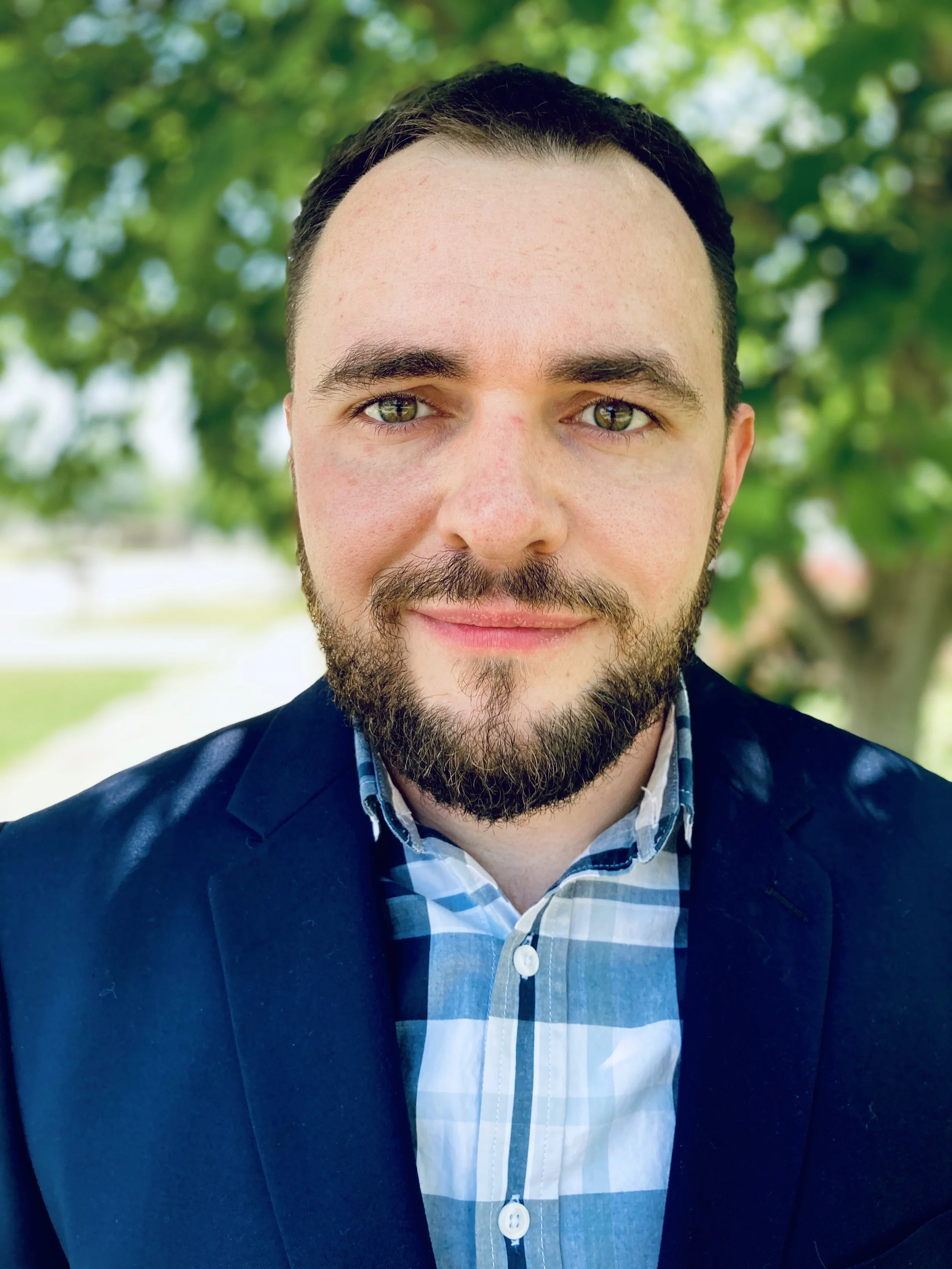
Paul Fahey, MA., LLC
Natalie Pucillo, Awake’s Survivor Resource Intern, introduced Paul Fahey, M.A., LLC, as the evening’s presenter. Fahey, a professional counselor and host of the Third Space podcast, provides counseling for individuals who have experienced spiritual abuse and creates resources for church leaders to better safeguard their communities against abuse. He is also a retreat leader, and serves as a member of Awake’s survivor retreat team.
The presentation, “Understanding and Recovering from Moral Injury”, offered language for a particular kind of suffering that many survivors can relate to. Moral injury refers to the pain of betrayal, especially by people or institutions that were supposed to protect them.
To begin the evening, Fahey shared that he was first introduced to the concept of moral injury through the research of Dr. Marcus Mescher, which gave language to experiences he has witnessed both in his own life and in his clinical practice. Fahey shared that research on moral injury in a Catholic context helped him better understand “the ways that abuse, specifically abuse within the church…describes some of the symptoms that trauma isn’t always able to capture”.
Fahey introduced the framework of moral injury, explaining that it involves “the violation of a person’s deeply held moral belief.” While moral injury was first researched among Vietnam War veterans, it has increasingly been studied in a wide range of contexts in recent years, including among healthcare workers and survivors of sexual abuse. He explains that moral injury can occur from direct betrayal, but also from witnessing it or participating in it. “Someone can also experience moral injury from learning about this type of moral betrayal,” he noted, such as learning details about abuse by Church leaders.
Fahey described the primary symptoms of moral injury as “guilt and shame, spiritual turmoil, and a loss of a sense of trust”. He also shared that secondary symptoms of moral injury can look similar to symptoms of trauma, including depression, anxiety, anger, substance use, self-harm, and relational difficulties.
While moral injury is related to PTSD, Fahey explained that it is distinct. PTSD is often rooted in threat, fear, and loss of safety, while moral injury is rooted in betrayal and loss of trust. Moral injury can reshape how a person experiences identity, meaning, and spirituality. Fahey explained that the betrayal central to moral injury can “alter my trust in others, my trust in God, my trust in religious authorities and my trust in the church”.
Fahey offered evidence-based approaches that may support recovery from moral injury. He shared that effective care often emphasises self-forgiveness, blame assessment, self-acceptance, and spiritually informed treatment. Fahey referenced Acceptance and Commitment Therapy (ACT) and Adaptive Disclosure as two modalities which could support healing moral injury, but emphasized that other modalities can be supportive as well, as long as a survivor develops a relationship of trust with their therapist.
For the remainder of the evening, Fahey answered a wide range of questions from the audience. Topics included how moral injury can be experienced at both the local level of a parish or school and at the level of institutional Church betrayal, how survivors can find healing-centered communities that are safe, how sacramental harm can shape spiritual confusion and grief, and why forgiveness must never be weaponized against survivors.
The evening ended with a direct message to survivors. Fahey acknowledged the deep injustice of betrayal and affirmed survivors' dignity and belonging: “I’m sorry, and the betrayal you experienced, it shouldn’t have happened…You are good, and you belong”.
Awake extends heartfelt gratitude to Paul Fahey for his wisdom and compassionate presence, and to everyone who participated in this Rooted and Rising event.
—Maggie Flanagan